
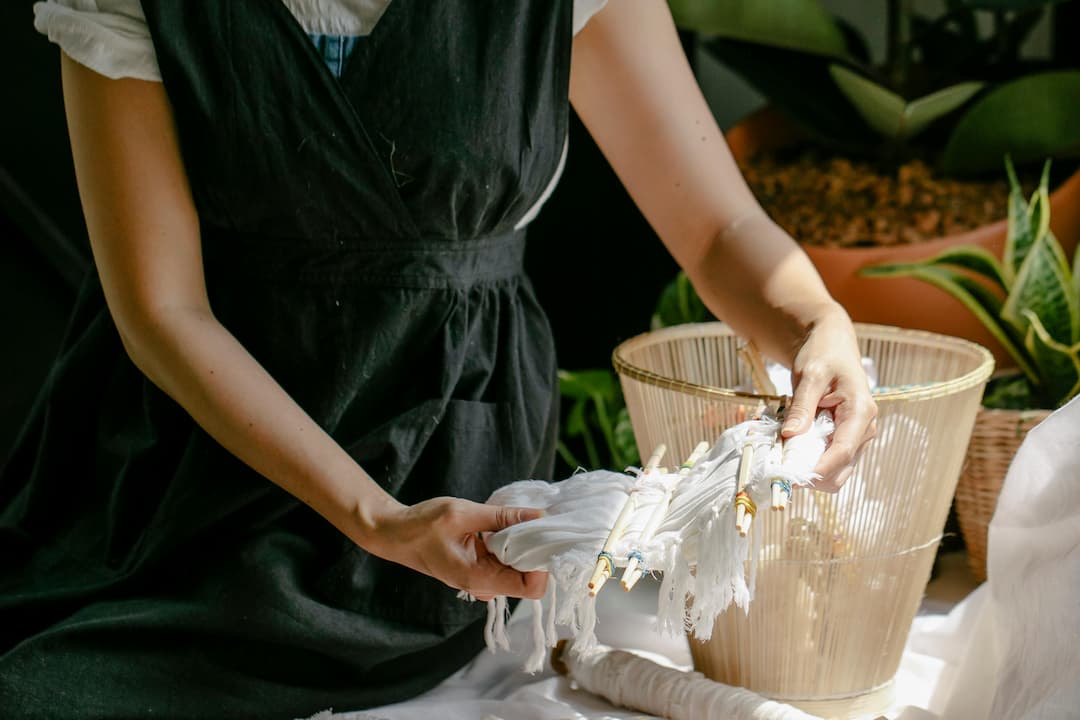
Clutter can sneak into your life in small ways, especially when you hold on to things “just in case” you might need them later. You probably don’t even realize how much stuff you’ve kept around for uncertain reasons, making it harder to keep your space organized.
Knowing the signs that you’re holding on to clutter out of habit or fear can help you decide what to keep and what to let go. Recognizing these clues can make it easier to create a more comfortable and functional space without feeling anxious about getting rid of things.
You frequently say ‘just in case’ when deciding to keep something

You probably catch yourself saying “just in case” a lot when holding onto things. It’s a way of convincing yourself you might need the item someday.
But this mindset can keep clutter piling up without real reasons. Asking if you’ve used it recently can help break the cycle of saving stuff for an imaginary future.
Using “just in case” as your main reason usually means it’s time to rethink what you keep.
See more on this idea at Becoming Minimalist.
Your storage spaces are overflowing with infrequently used items

If your storage spots are packed with things you rarely touch, it’s a sign you might be holding on “just in case.” These items take up space but don’t serve any daily purpose.
You probably keep them because you think you’ll need them someday, but that day rarely comes. It’s easy to forget what’s buried in overstuffed closets or boxes.
Clearing out those seldom-used items can free up space and make your home feel less cluttered. For more signs like this, see 50 Signs You Have Too Much Stuff.
You avoid using items because they feel too valuable to part with
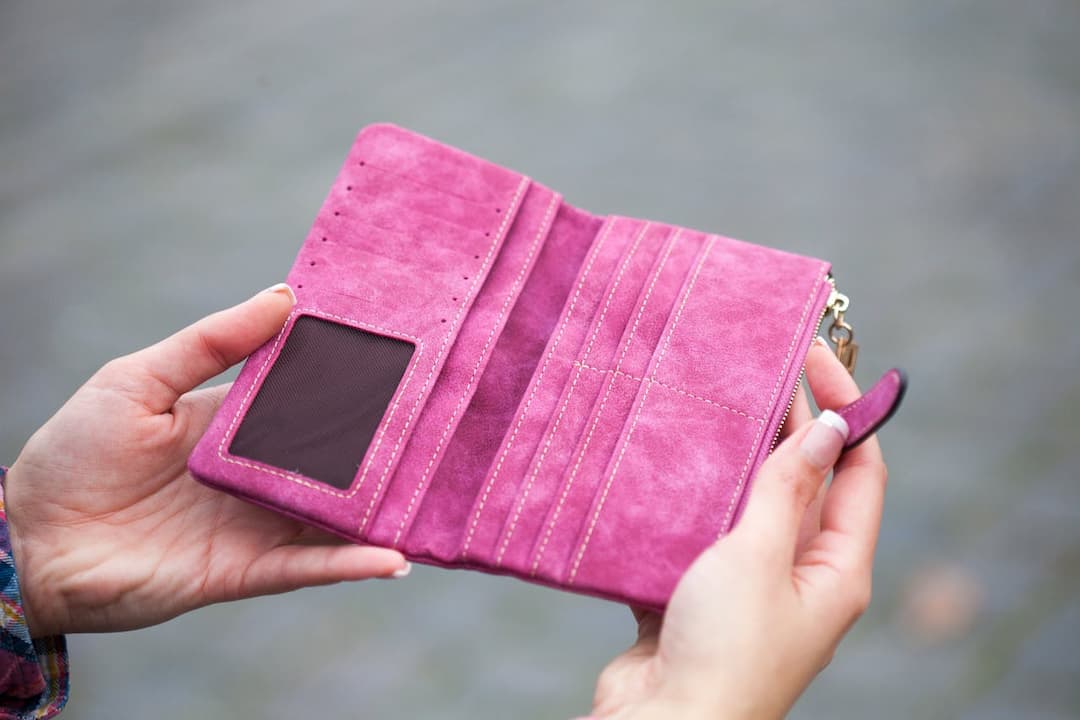
You might keep things because they feel special or expensive, making it hard to let go. But if you don’t use them, their value only stays on paper. Holding onto these items “just in case” can fill up your space without actually benefiting you. Sometimes, the best way to appreciate something is to let it go when you don’t need it anymore.
You struggle to discard sentimental items even if you never use them
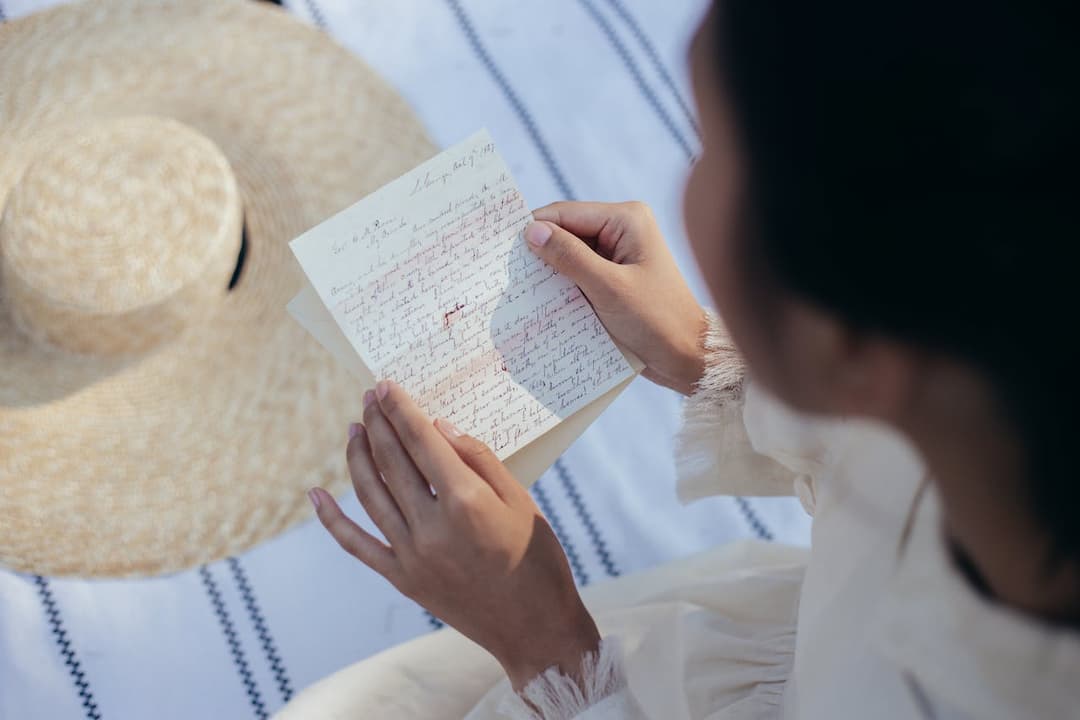
You hold onto items because they remind you of people or moments, even though they just sit there. These things rarely serve a practical purpose, but you keep them “just in case” those memories fade.
It can be tough to separate feelings from clutter. Recognizing this pattern is a key step toward letting go without guilt.
For more on dealing with this, see how others handle being too sentimental when decluttering.
You find it hard to locate things because clutter builds up
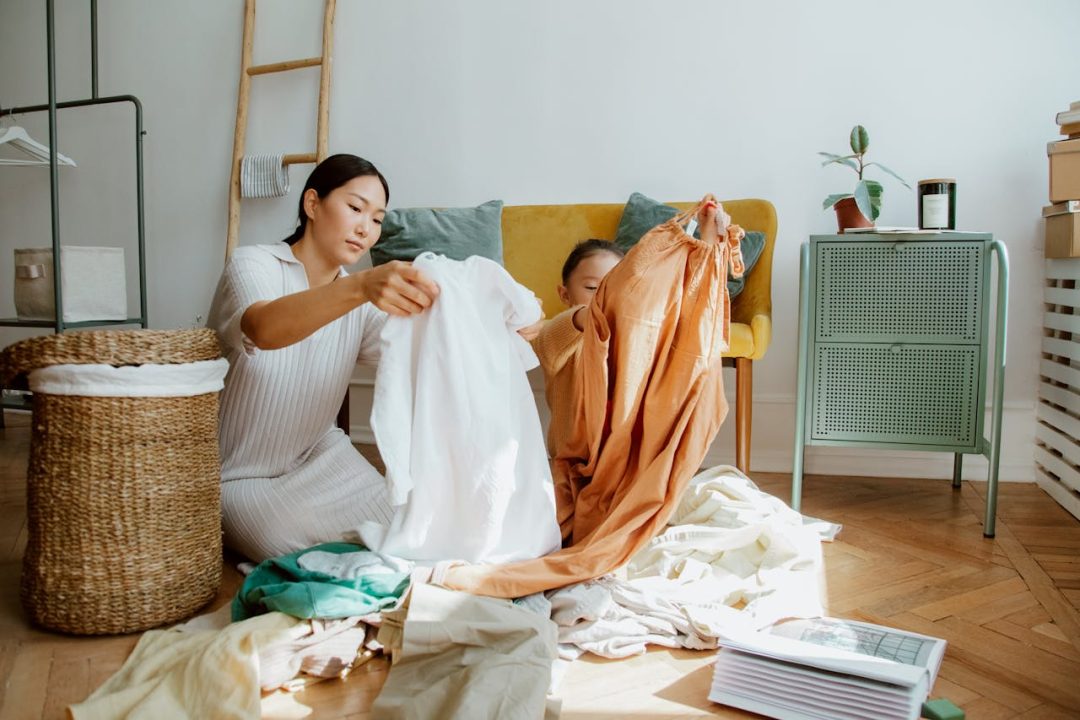
When clutter piles up, finding what you need becomes a real challenge. You might spend extra time digging through drawers or boxes just to locate simple items.
Holding onto things “just in case” makes this worse because unnecessary stuff takes up space. Over time, it can feel like you’re constantly losing track of your belongings. This hidden clutter quietly disrupts your daily routine. For more on this, see signs of clutter buildup.
You feel overwhelmed every time you look at your cluttered areas

When you glance at a cluttered space, it can instantly make you feel stressed or uneasy. It’s hard to focus or relax when things are piled up “just in case.”
Your brain might be telling you to sort it all out, but the sheer amount can feel like too much. This overwhelm is a common sign that it’s time to let go of some clutter.
Keeping too much “just in case” creates mental noise, making your home less peaceful and more chaotic.
For more on this feeling, check out signs you might be holding onto clutter just in case.
You keep duplicates of things ‘just in case’ the original breaks
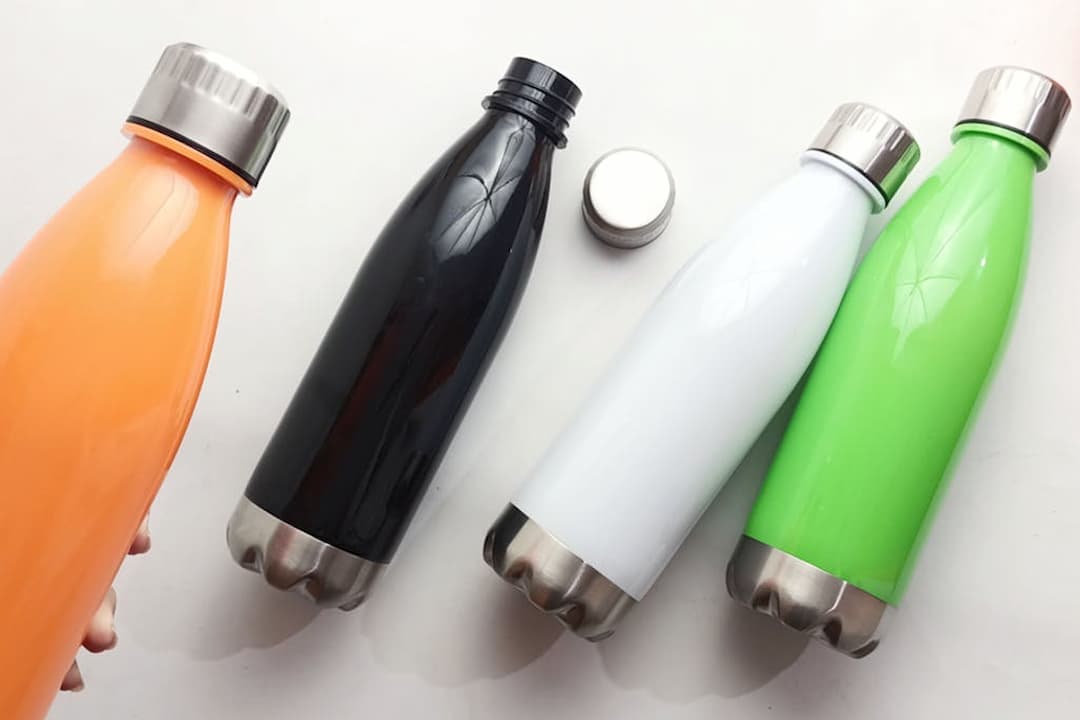
You probably have more than one blender or extra phone chargers stashed away. Holding onto duplicates can take up valuable space without really helping.
Most of the time, the original item works just fine. Instead of keeping backups “just in case,” consider if you’d really replace it immediately or just wait to buy a new one.
This kind of clutter builds up quietly and often goes unnoticed until you run out of room. For tips on handling duplicates, check out ideas on duplicate appliances.
You hold onto free stuff or gifts hoping you’ll need them later
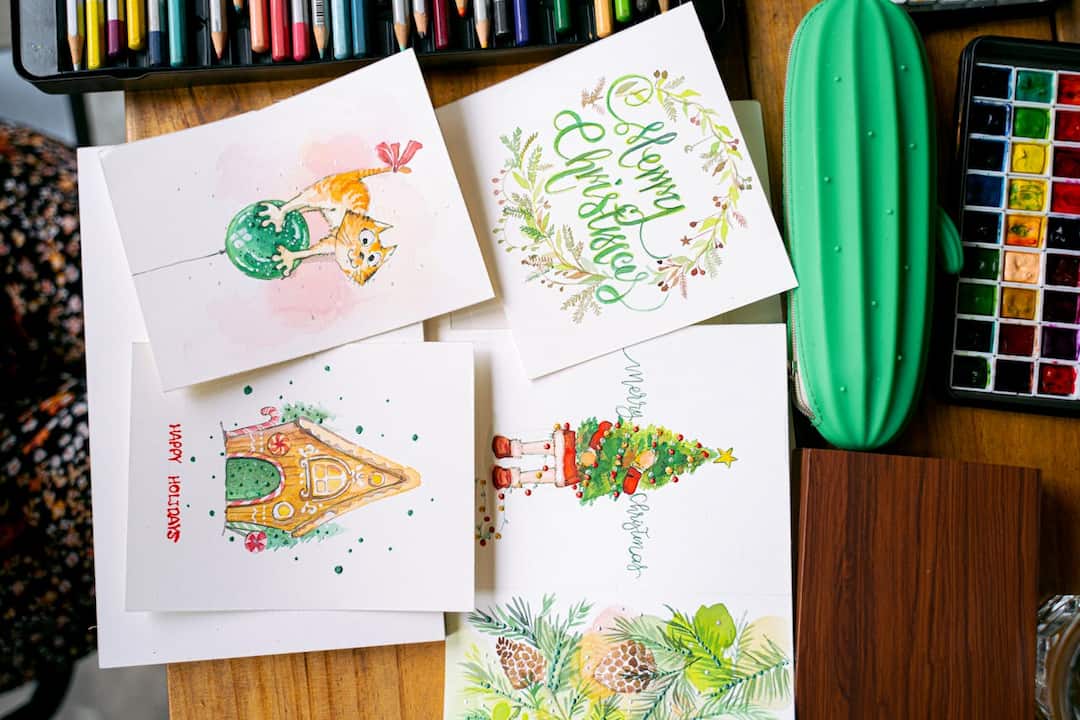
You might have a box of freebies or gifts sitting around just because they were free or given to you. It feels like a waste to toss them, so you keep them “just in case.”
But most of the time, those things just take up space and never get used. Letting them go can clear room for stuff you actually enjoy or need.
If you haven’t used a free item or gift in months, it’s probably safe to say you won’t soon.
You have a habit of buying replacements despite having unused items
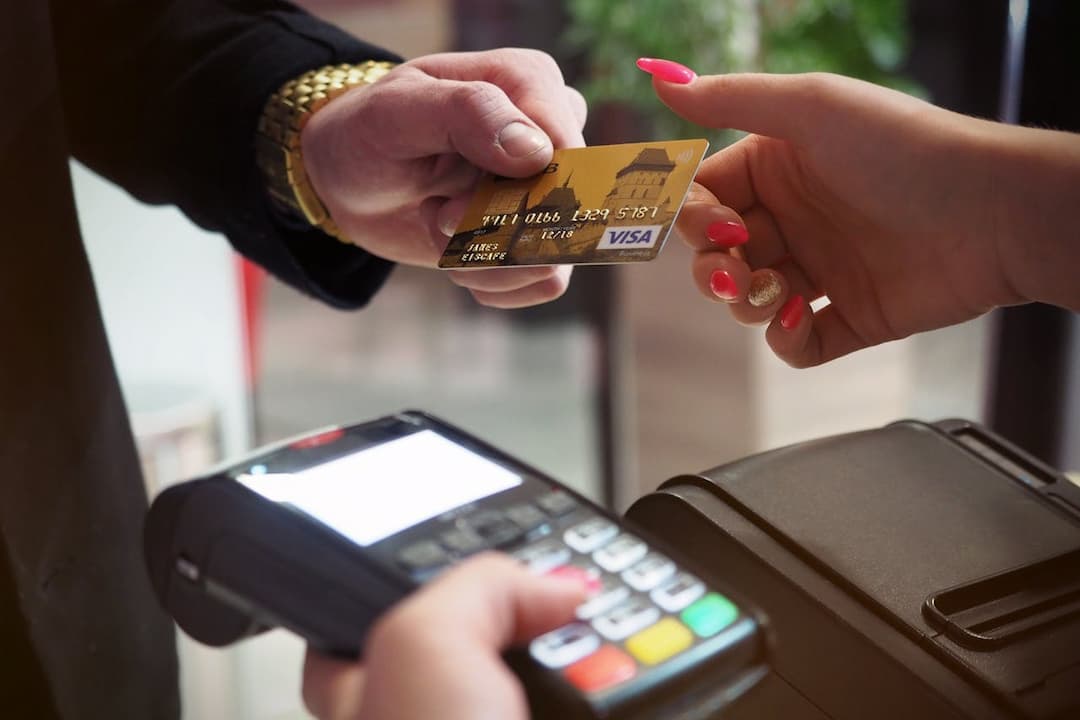
You often grab a new version of something even though you already have one sitting unused. This can happen because you don’t remember where the old item is or worry it might not work when you need it.
Buying replacements can signal you’re holding on to stuff “just in case” but not actually trusting it. It’s worth checking what you already own before grabbing something new. For more on this, see tips about why people do this at embracingsimpleblog.com.
You feel guilty thinking about throwing things away
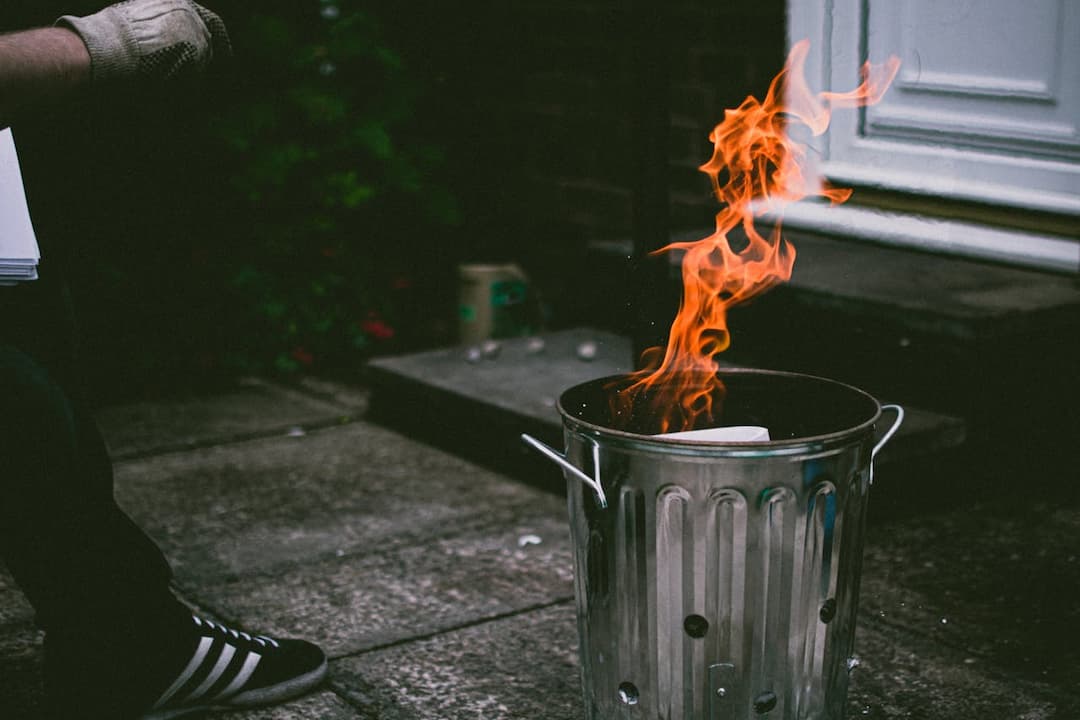
You might hesitate to toss things even if they don’t really serve a purpose. That guilt can make decluttering feel like a big emotional battle.
It’s common to worry you’ll regret getting rid of something “just in case” it’s needed later. Still, holding on out of guilt often leads to more clutter and stress over time.
You can learn to separate your feelings from the item’s actual value. Letting go doesn’t mean you’re careless or wasteful. For more on this, see why it’s OK to throw things out.

Leave a Reply