

Decluttering can feel overwhelming, especially when you don’t know where to start or how to keep going. You might have tried different methods before but ended up frustrated or stuck. The good news is that there are simple rules that actually help you make progress without turning your space upside down.
These 14 decluttering rules focus on practical steps that make sense and fit easily into your daily routine. They’re designed to help you clear out what you don’t need and create a more organized, peaceful home without stress.
Set a daily goal to remove at least one item, no matter how small

Small steps add up over time, and this habit can keep your space from getting messy again. Even tossing a single thing daily helps build momentum and makes your goal less overwhelming.
Sticking to a simple daily goal is a great way to start and maintain a decluttering routine. For more tips, check out a method that focuses on daily removal like the 365 Less Things Decluttering Method.
Use the 5-second rule to decide quickly if an item stays or goes

When you pick up something, give yourself just five seconds to decide if it stays or goes. If you can quickly think of a place for it, keep it. If not, it’s probably time to let it go.
This rule stops you from overthinking and helps you move faster while decluttering. It’s simple but effective for clearing out clutter without stress or hesitation.
5-second decluttering rule explains how to use this method well.
Don’t try to declutter your whole house at once—start small

You don’t need to tackle everything in one go. Breaking the job into smaller tasks makes it less overwhelming.
Focus on one area, like a drawer or a shelf. Once that’s done, move on to the next spot.
This approach keeps you motivated and helps you avoid burnout while making steady progress.
See more tips on starting small and manageable decluttering jobs here.
Only fill 80% of storage space to keep clutter at bay

When you only fill 80% of any storage area, you give yourself room to breathe. This means less stacking and easier access to your things.
Leaving that 20% empty helps prevent overcrowding, so your space feels more open and organized.
It’s a simple way to keep clutter under control without needing to get rid of everything.
Try this rule in your closets or shelves and see how it changes your space.
For more details on this approach, check out this 80/20 rule for decluttering.
Focus on decluttering one room or area before moving on

Start with one room or even a small section of a room. Tackling everything at once can feel overwhelming.
By focusing on one space, you can see progress faster, which keeps you motivated. This method helps you avoid burnout and keeps things manageable.
For more tips on this approach, check out this advice from an organizing expert on focusing on one area at a time.
Use tangible objects to help sort items into keep, donate, or toss
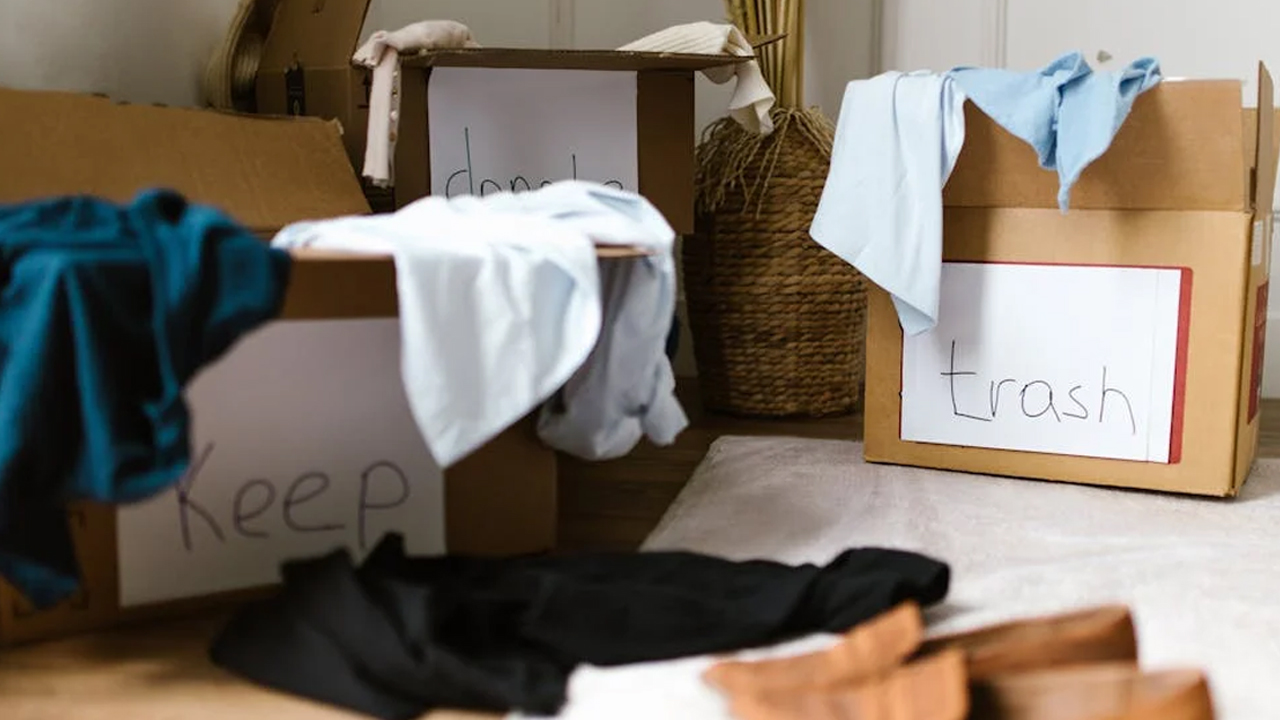
When you start decluttering, pick up each item to decide where it belongs. Holding it helps you figure out if it’s worth keeping, donating, or tossing.
Physically sorting stuff makes the process clearer and faster. You’ll avoid guesswork and make better choices about what really matters in your space.
This hands-on method keeps things simple and helps you stay focused on your goals. For more on this, check out quick and easy decluttering tips.
Avoid buying organizers before you declutter first

You might feel tempted to grab storage bins or shelves right away. But buying organizers before sorting through your stuff can backfire.
Start by clearing out what you don’t need. Once your space is lighter, you’ll see exactly what kind of organizers will actually help. It saves you from buying things that don’t fit or just add more clutter.
For tips on planning your declutter first, check out this decluttering guide.
Keep sentimental items only if they truly spark joy

When decluttering sentimental stuff, focus on what genuinely makes you happy. If an item doesn’t bring any positive feeling, it’s okay to let it go. You can even say a small goodbye to honor the memories before parting ways.
Remember, keeping everything can create clutter that weighs you down. So, be honest with yourself about what truly matters to you. This approach can make decluttering less emotional and more practical. For more tips on handling sentimental items, check this guide on letting go while decluttering.
Let go of things you’ve not used or worn in over a year
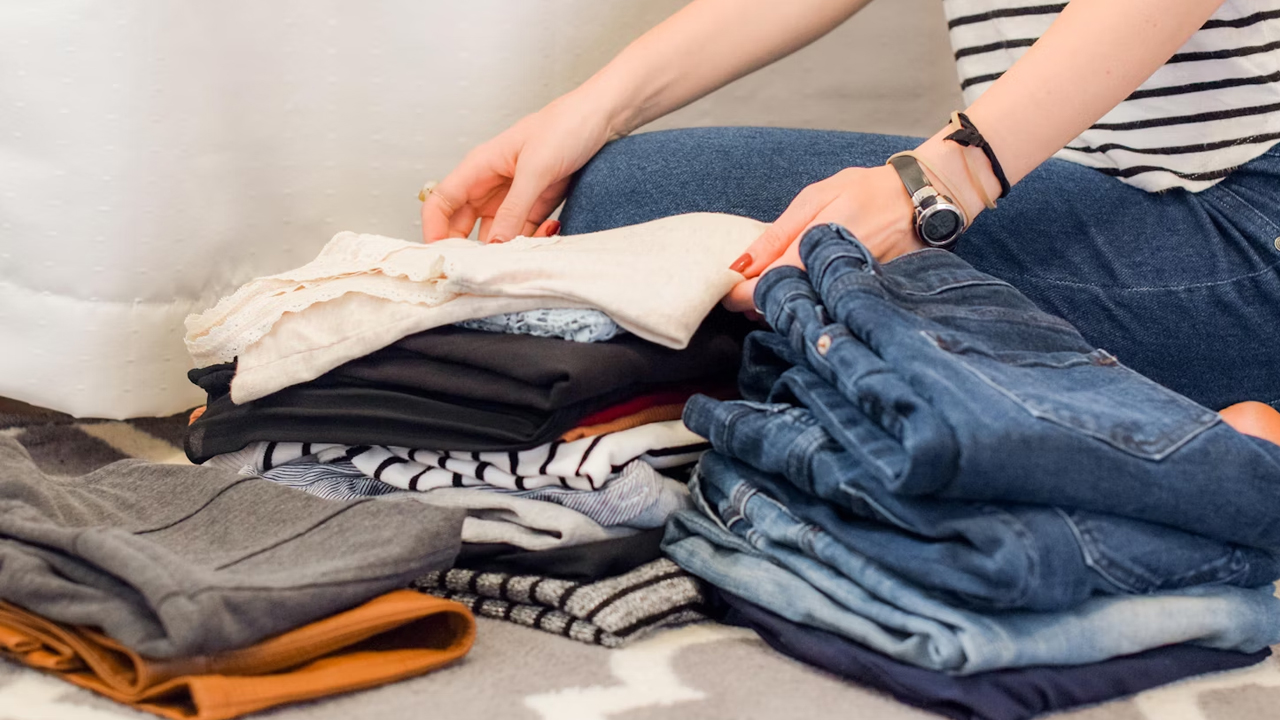
If you haven’t touched something in over a year, it’s probably safe to let it go. Holding on to it likely isn’t adding value to your life.
You might find that your life won’t change much without these items. In fact, you probably never benefited from having them in the first place.
If space isn’t an issue, it’s okay to keep a few things occasionally used. But if not, clearing out helps simplify your surroundings. Check out this simple decluttering guide for more.
Avoid multitasking—declutter with full attention
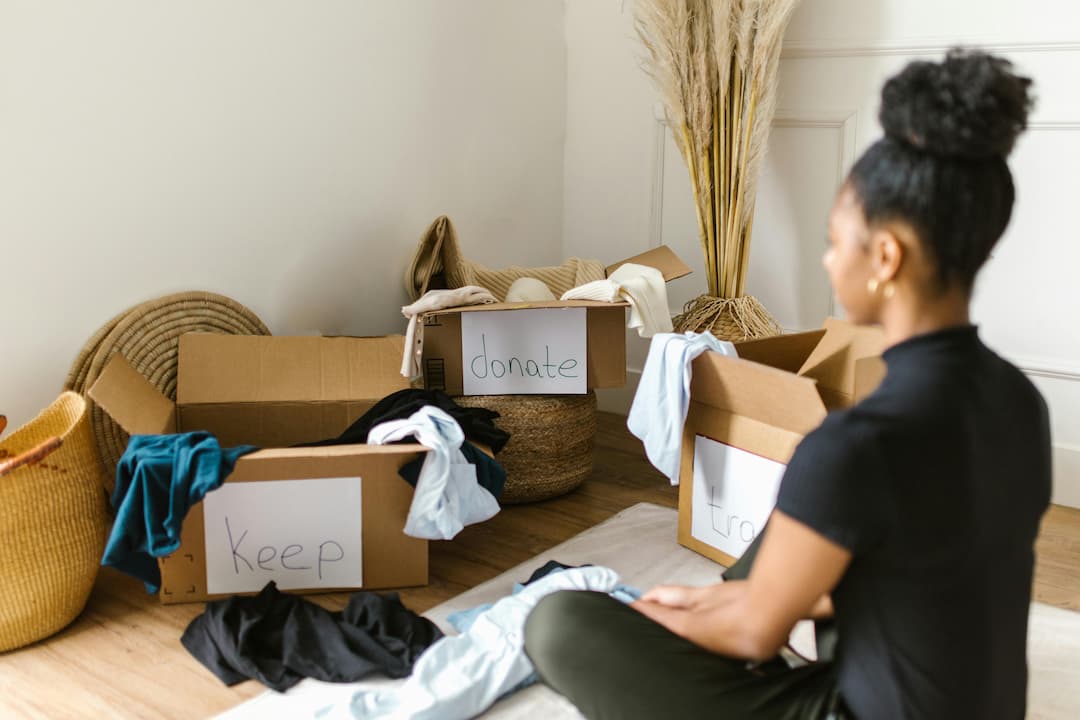
When you declutter, focus on one task at a time. Multitasking can leave you feeling overwhelmed and less effective.
Giving your full attention helps you make clearer decisions about what to keep or let go.
Try to set aside distractions and really concentrate on the area you’re working on. You’ll finish faster and with less stress.
Create a ‘maybe’ box for uncertain items and review it later
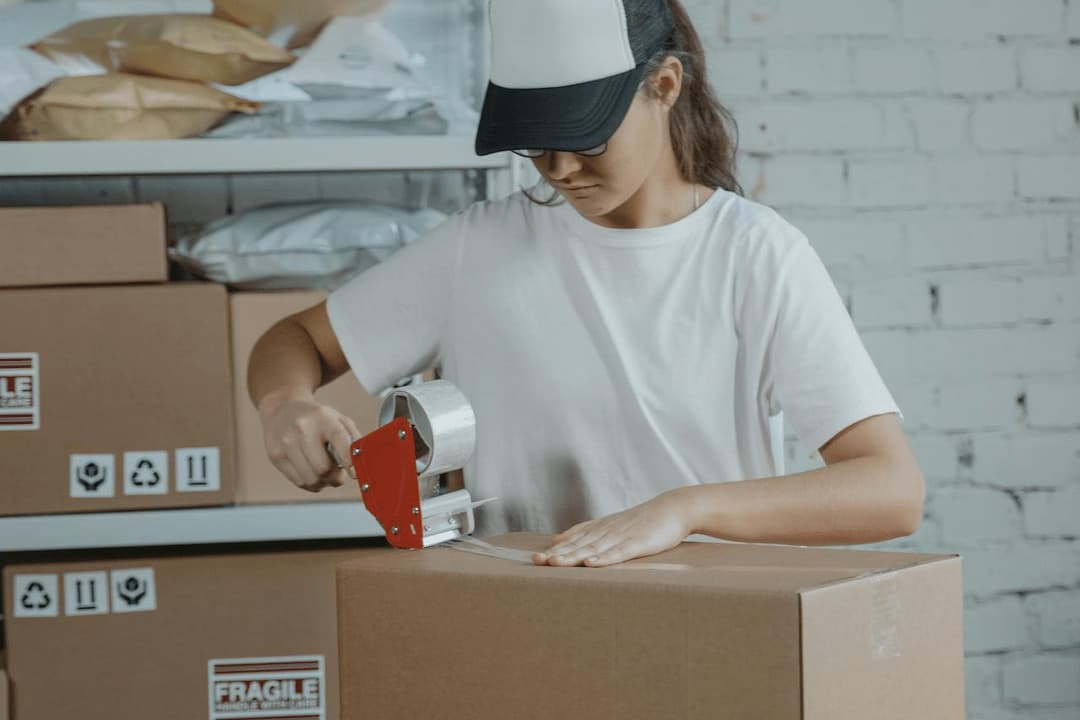
If you’re unsure about getting rid of something, toss it in a “maybe” box. This gives you space to live without those items and see if you actually miss them.
Set a reminder to review the box in a few weeks or months. If you haven’t needed anything inside by then, it’s probably safe to let it go.
Using a maybe box can make decluttering less stressful and more manageable. For more details, check this maybe box decluttering hack.
Recycle or donate items instead of just throwing them away

When you’re decluttering, try to recycle or donate instead of tossing everything. It gives your items a chance to be used again and keeps waste out of landfills.
If donating feels overwhelming, don’t stress—sometimes recycling is the simpler choice. You can learn more about overcoming donation roadblocks at this decluttering podcast.
Limit the number of decorative items to avoid visual clutter

You don’t need to fill every surface with decorations. Keeping just a few meaningful items on display can make your space feel calmer.
Try the “No More Than Four” rule to limit what you show at once. It helps create a cleaner look and makes each piece stand out more.
This simple limit can make your home feel more organized and inviting without being too bare. For more ideas, check out how others manage visual clutter here.
Set a timer to make sessions short and manageable
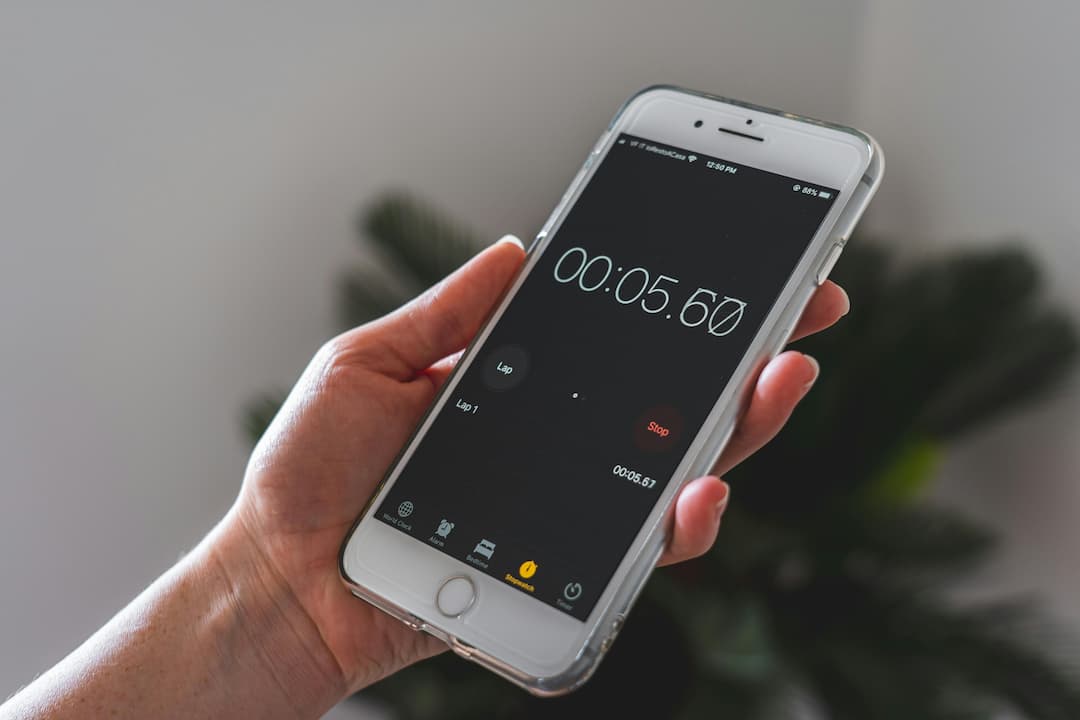
You don’t need to spend hours decluttering all at once. Set a timer for 5 to 15 minutes to keep your sessions focused and doable.
This creates a clear stopping point and helps avoid burnout. It also makes it easier to fit decluttering into your day.
Try prioritizing one area during each timed session to see quick, satisfying progress. Using a timer can boost your motivation and keep distractions away. For more tips, check out this decluttering timer strategy.

Leave a Reply