
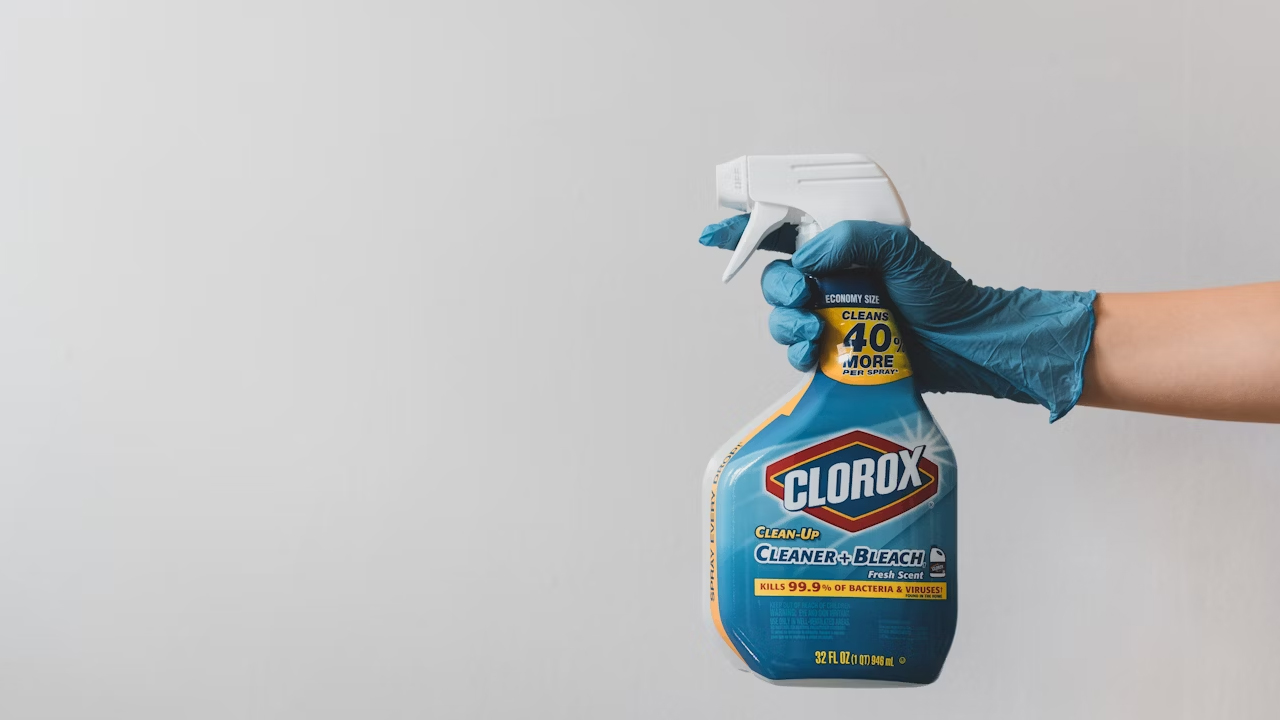
Bleach is a common cleaning product that many people rely on to disinfect and whiten surfaces around the home. While it can be effective in certain situations, it’s not safe to use on everything.
Using bleach on the wrong surfaces can cause damage and even create health risks. Knowing which materials to avoid can save you from costly repairs and headaches later.
Wooden surfaces
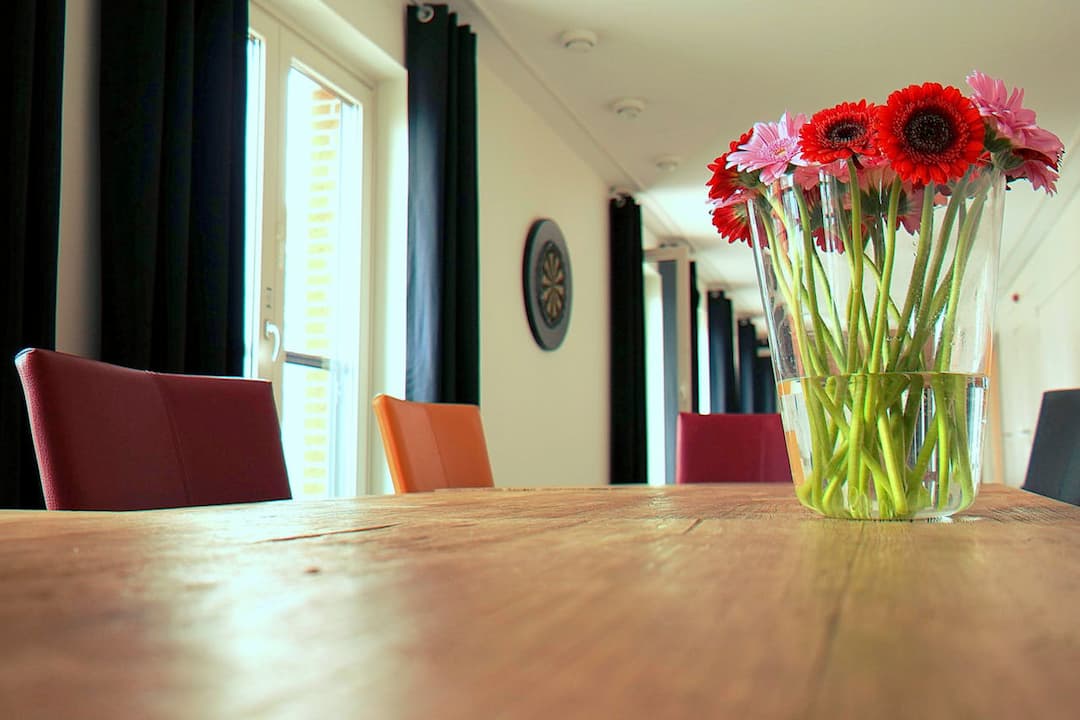
You should avoid using bleach on wooden surfaces. It can cause discoloration and damage the finish. Bleach also weakens the wood fibers, which might ruin your furniture or floors.
Instead, try a mix of white vinegar and olive oil to clean and nourish your wood. This keeps your wood looking healthy without the harsh effects of bleach. For more details, check out this guide on never using bleach on wooden surfaces.
Stainless steel
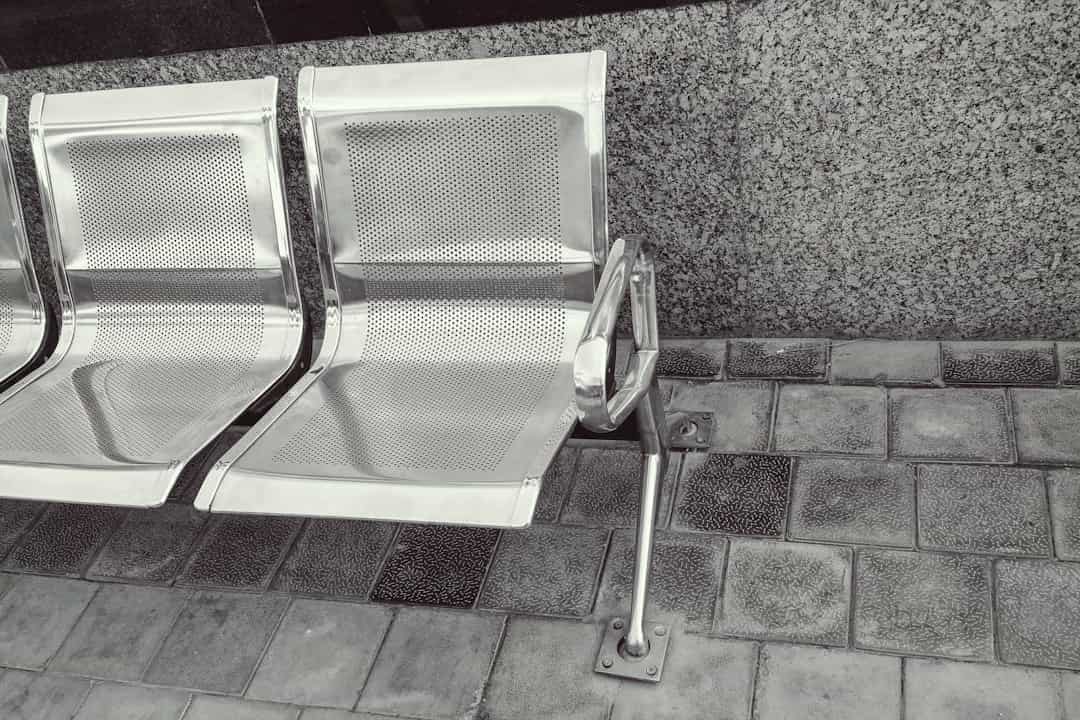
You should never use bleach on stainless steel. It can corrode the surface and cause discoloration.
This damage might also weaken the metal over time, affecting how sturdy your appliances stay.
For cleaning stainless steel, stick with gentle cleaners made specifically for that material instead of bleach.
Using bleach risks ruining the look and lifespan of your stainless steel items. For more details, check out why bleach is bad for stainless steel.
Aluminum
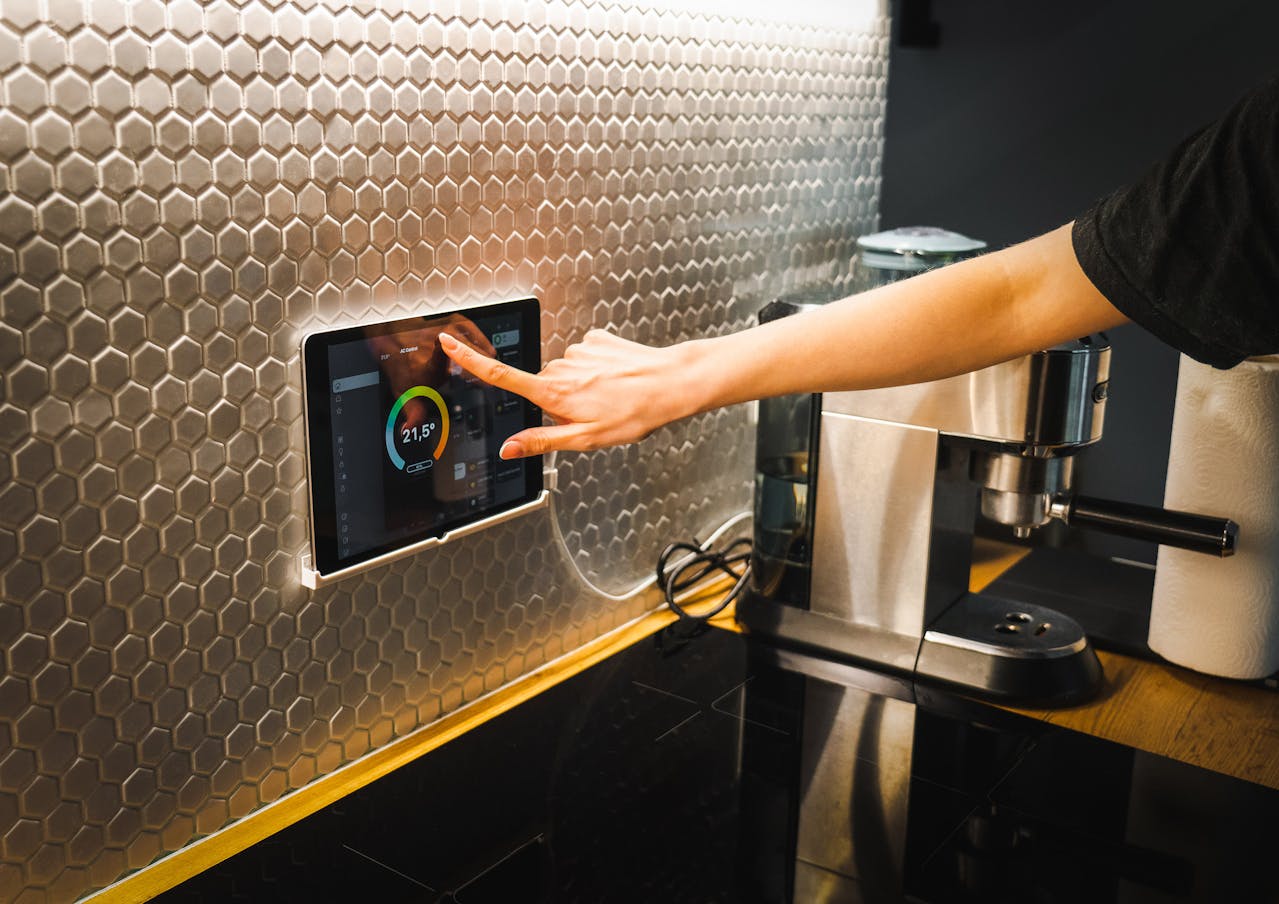
You shouldn’t use bleach on aluminum. The high pH in bleach can cause corrosion and damage the metal surface.
If you clean your aluminum items with bleach, they may develop pitting or discoloration over time.
Instead, stick to mild soap and water or cleaners made specifically for aluminum to keep your stuff in good shape. For more details, see why bleach ruins aluminum surfaces here.
Copper

You should avoid using bleach on copper. Bleach reacts with copper and can cause it to corrode or discolor quickly.
This damage can be hard to fix and will ruin the look of your copper items.
If you want to clean copper, stick to gentle cleaners made specifically for metal. Using bleach on copper is just asking for trouble.
Learn more about bleach’s effects on metals here.
Marble countertops
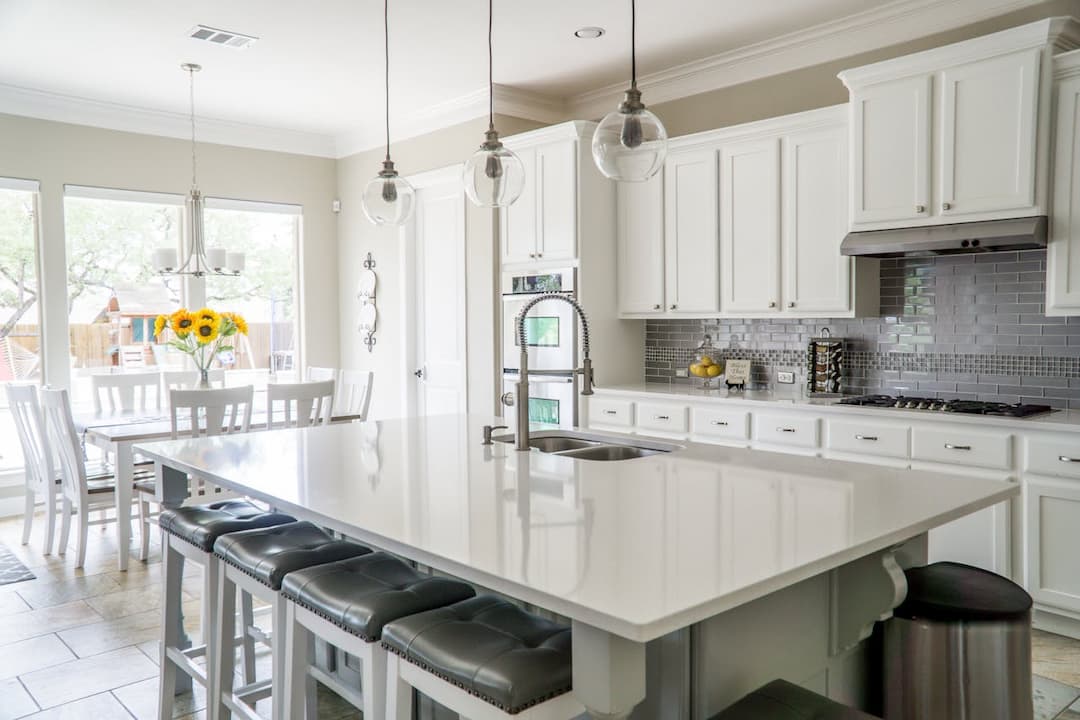
You should avoid using bleach on your marble countertops. Bleach is caustic and can wear away any protective coatings on the stone. This can lead to discoloration or dull spots over time.
Marble is a porous material, so harsh cleaners like bleach can also cause chemical reactions that damage the surface. Instead, stick to pH-neutral cleaners made specifically for natural stone. For more details, see bleach effects on marble surfaces.
Granite countertops
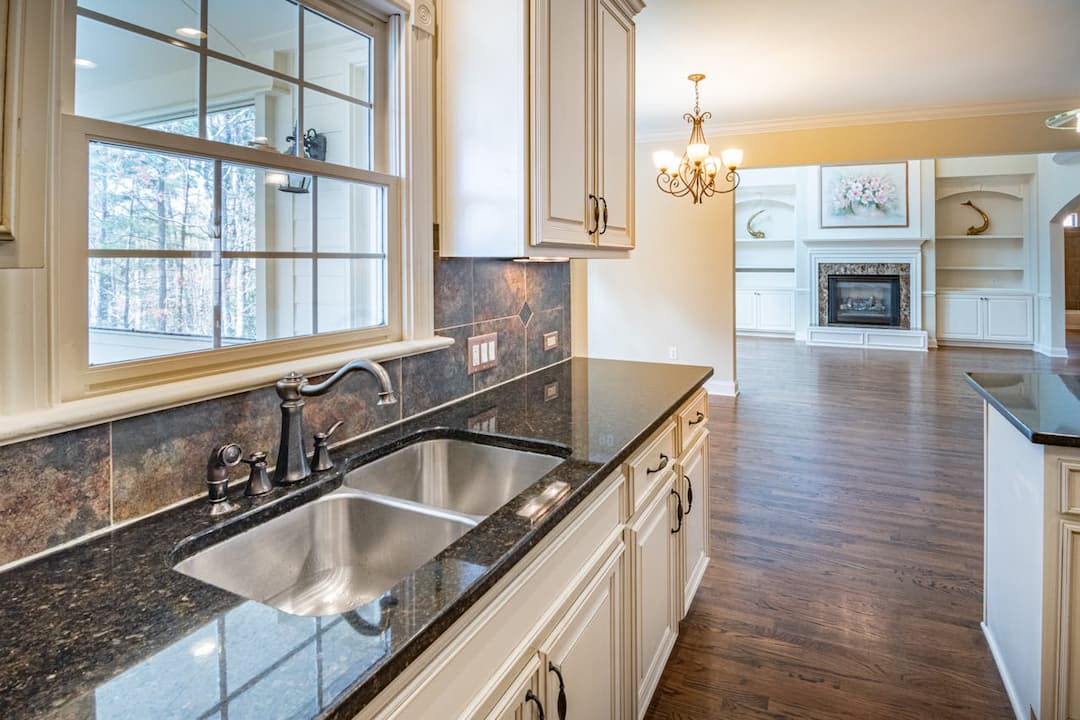
You should avoid using bleach on your granite countertops. Even though some say diluted bleach is okay, it can dull the finish over time.
Granite is porous, so bleach might damage the sealant or change the color of your stone. Stick to cleaners made specifically for granite to keep your counters looking fresh and bright.
For more details, check out this guide on using bleach on granite countertops.
Natural stone surfaces
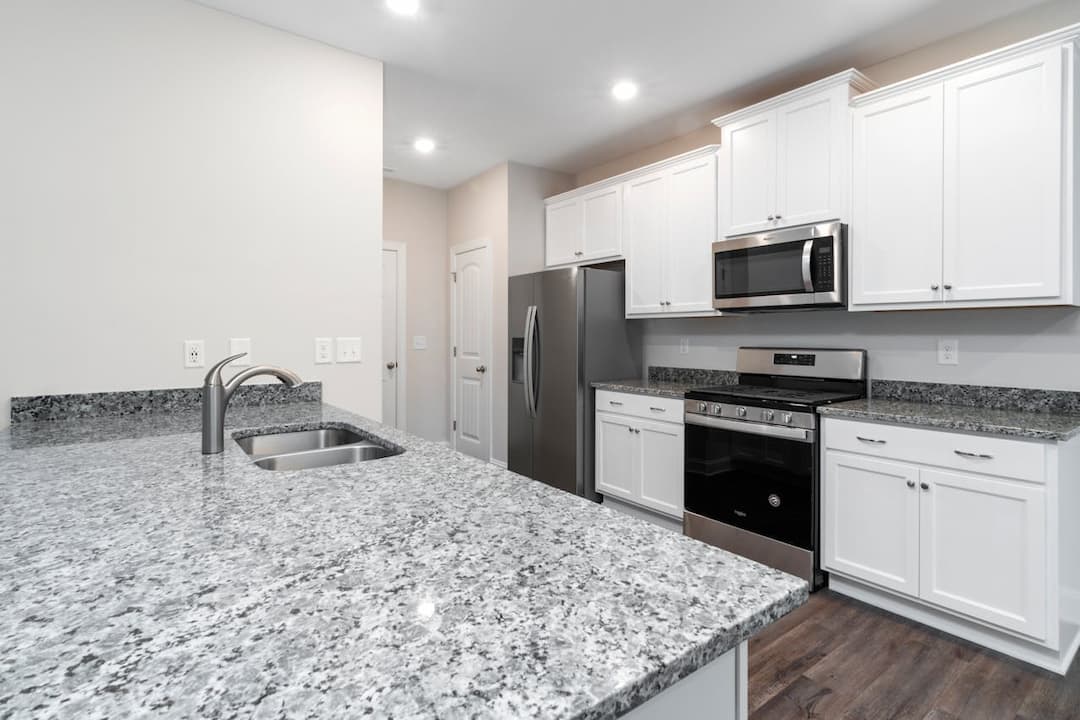
You should avoid using bleach on natural stone like marble, granite, and quartz. Bleach can damage the sealant and dull the surface, which ruins their look.
Over time, bleach can make stone brittle, causing cracks or erosion. Stick to gentler cleaners to keep your stone surfaces looking good. For more details, check this natural stone advice.
Painted wood
If you’re dealing with painted wood, stick to gentler cleaners instead. For more details, check out this guide on using bleach on painted wood from Southern Living.
Laminate surfaces
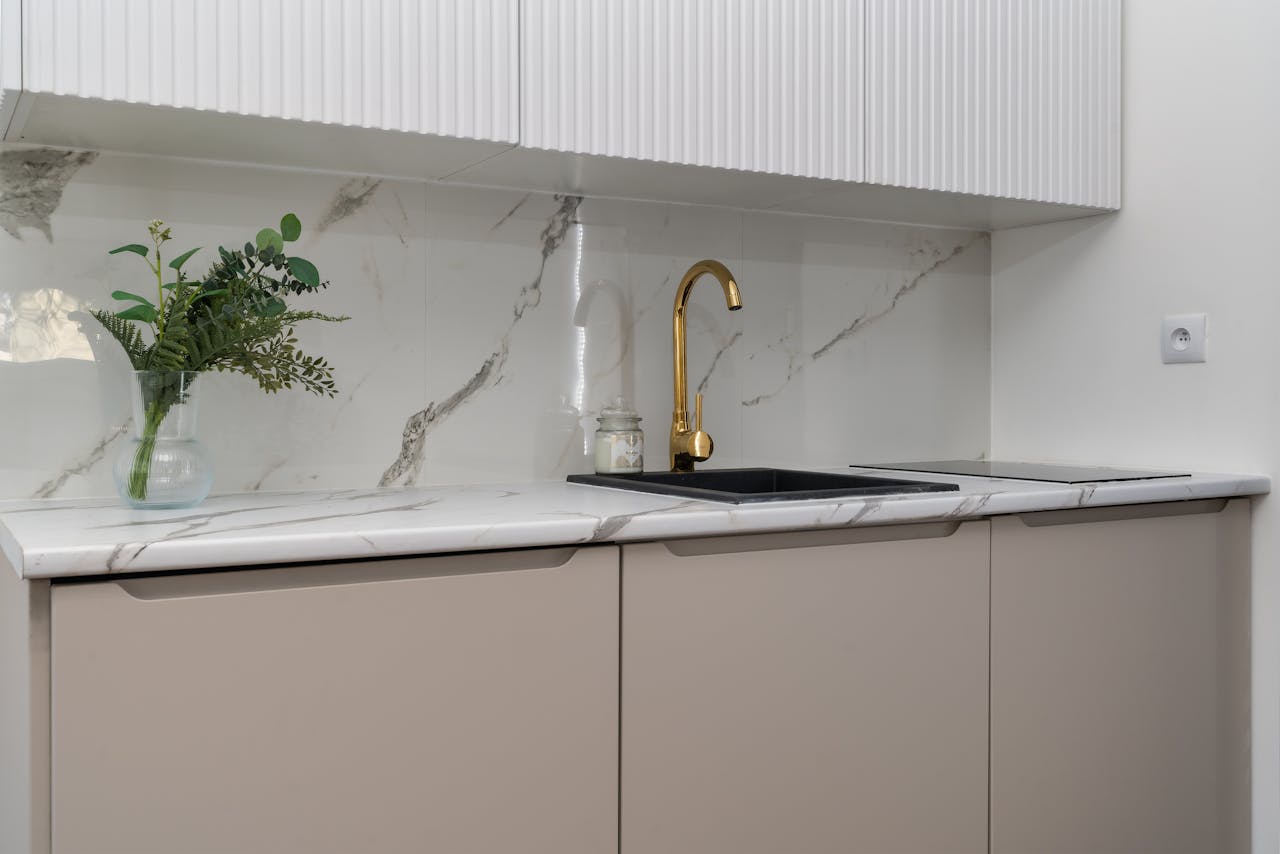
You should avoid using bleach on laminate surfaces. It can eat through the protective coating and damage the material underneath.
If bleach sits on laminate too long, it may cause discoloration or dull spots.
Stick to gentle cleaners to keep your laminate looking fresh without risking damage. For more details, check out this guide on how bleach affects laminate surfaces.
Electronics like cell phones
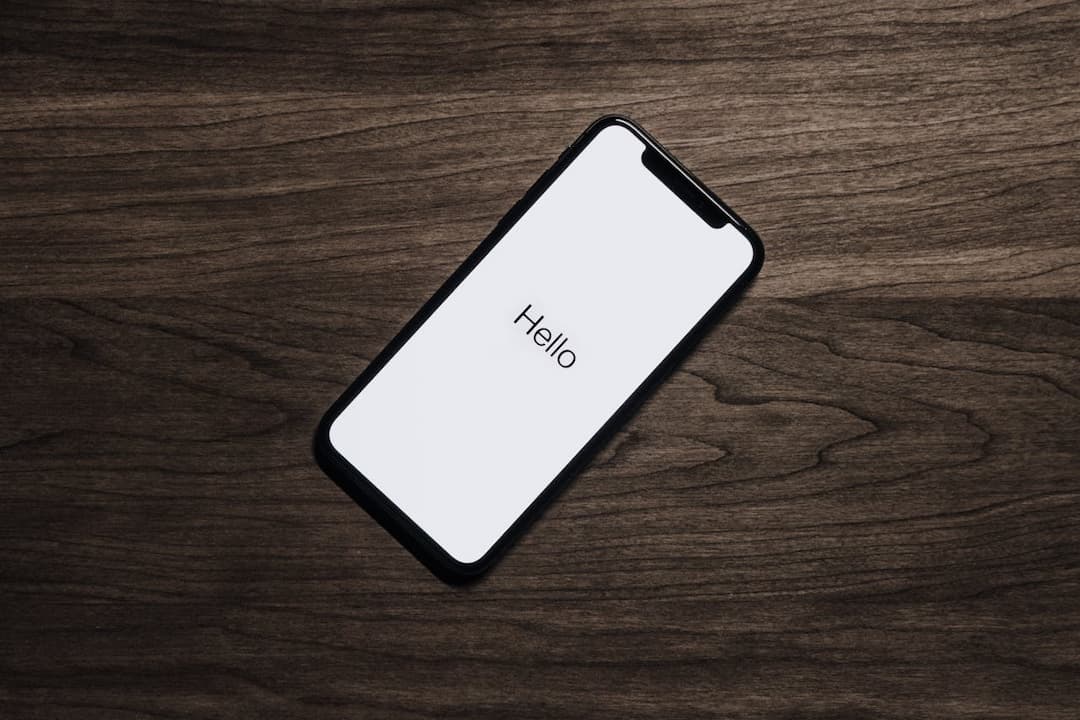
You shouldn’t use bleach on your phone or other electronics. Bleach can damage screens and internal components.
It’s better to use 70% alcohol wipes or a damp cloth with a safe cleaner instead.
Also, avoid getting moisture in any openings, like charging ports or speakers, to prevent damage. More tips can be found on how to clean electronics safely here.

Leave a Reply