

Keeping your home clean can feel like a constant battle, especially when some spots get overlooked. You might think you’ve covered all the essentials, but there are often areas that don’t get cleaned as much as they should.
Knowing which things to clean more often can help you maintain a healthier and fresher living space with less effort. Paying attention to these commonly missed spots can make a big difference in your daily cleaning routine.
Toothbrush
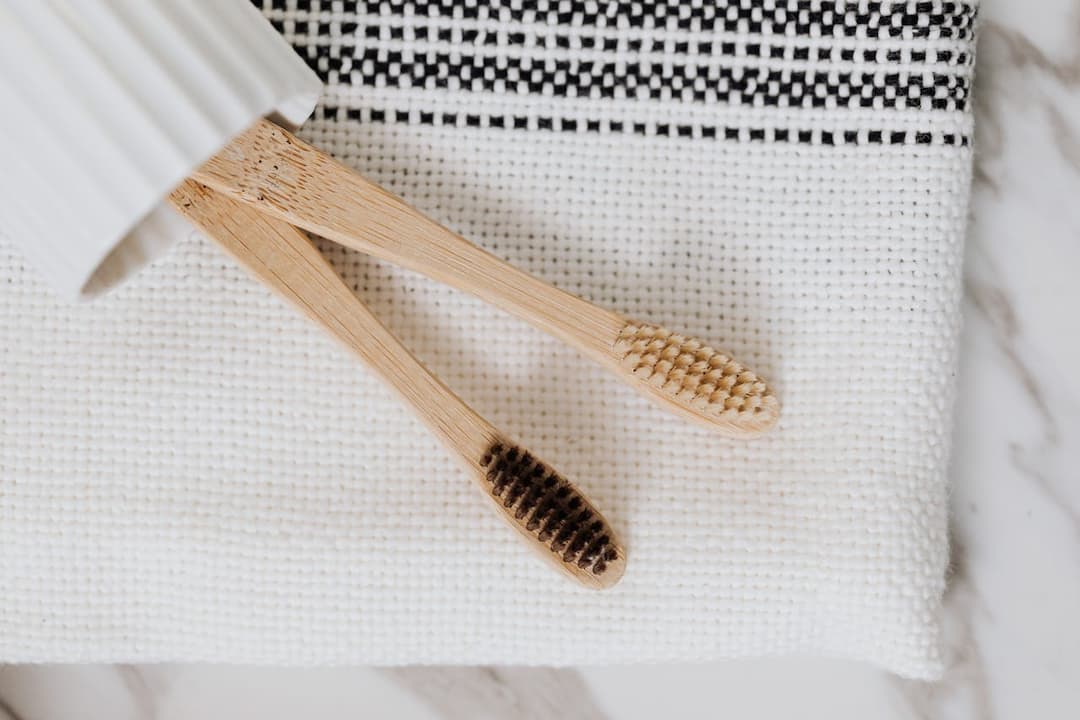
You probably use your toothbrush every day but rarely think about cleaning it. Bacteria and toothpaste buildup can hang around on the bristles if you don’t rinse it well.
Make sure to swap your toothbrush every three months. If you want to step it up, try using an ultrasonic cleaner to remove extra gunk more effectively. For tips on cleaning your toothbrush, check out this article.
Water bottle

You probably carry your water bottle everywhere but might not clean it enough. Bacteria and mold love the dark, damp inside, especially if you only rinse it.
Try washing your bottle with hot water over 140°F to kill germs. A good scrub or occasional sanitizing with diluted bleach can help keep it fresh and safe to use.
Regular cleaning means fresher water and fewer surprises in your bottle. For more details on cleaning, check this guide on cleaning reusable bottles.
Makeup brushes
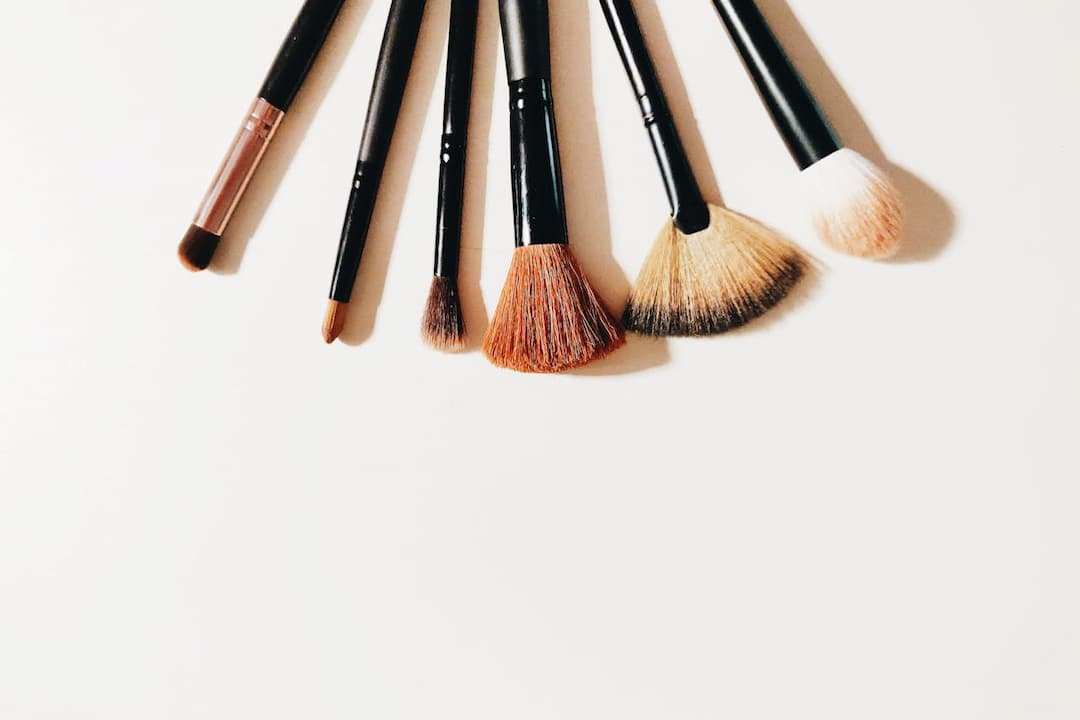
You should clean your makeup brushes more often, especially if you use them with liquid or cream products. These brushes can collect bacteria from your skin, which might cause breakouts.
A quick wash with gentle soap or a brush cleanser after every use helps keep them fresh. Deep cleaning once a week is a good habit to avoid buildup and keep your brushes in good shape. For more tips, see how to clean makeup brushes properly.
Hair brushes
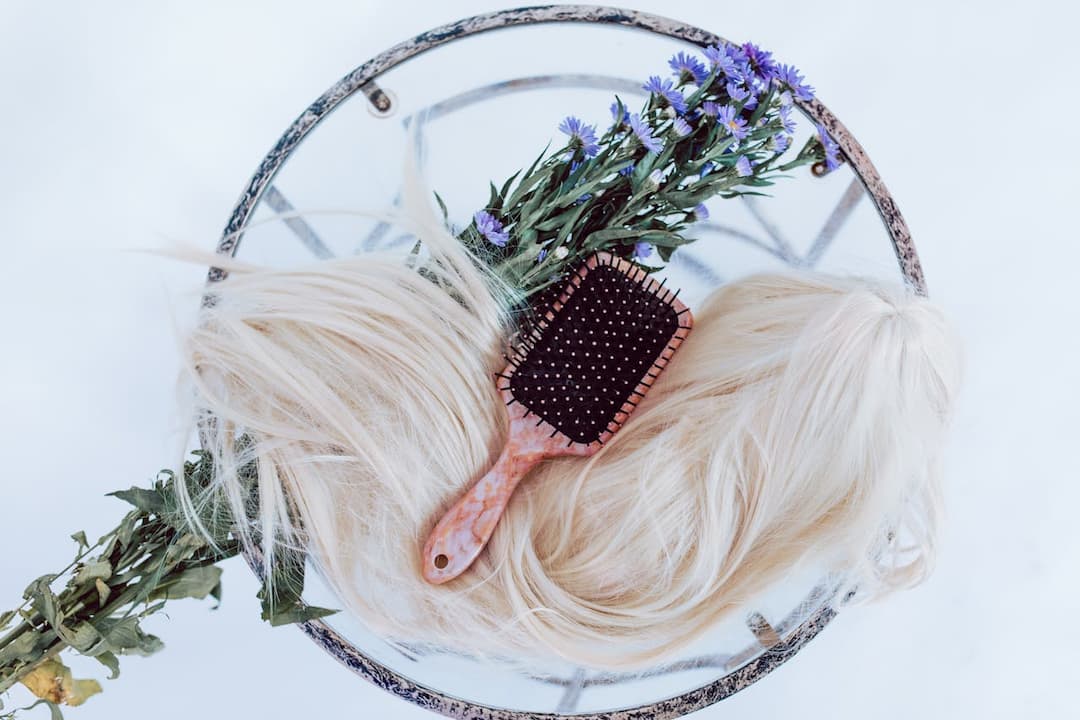
You might not realize how quickly hair and product buildup collects in your brush. Cleaning it at least once a week helps keep it free of mats and debris.
Just pull out the hair, scrub with soap and water, then let it dry. For extra cleanliness, some people soak brushes in disinfectant between uses. Check how often you clean yours to avoid grime buildup.
For more details, see how often you should clean your hair brush.
Shower storage containers
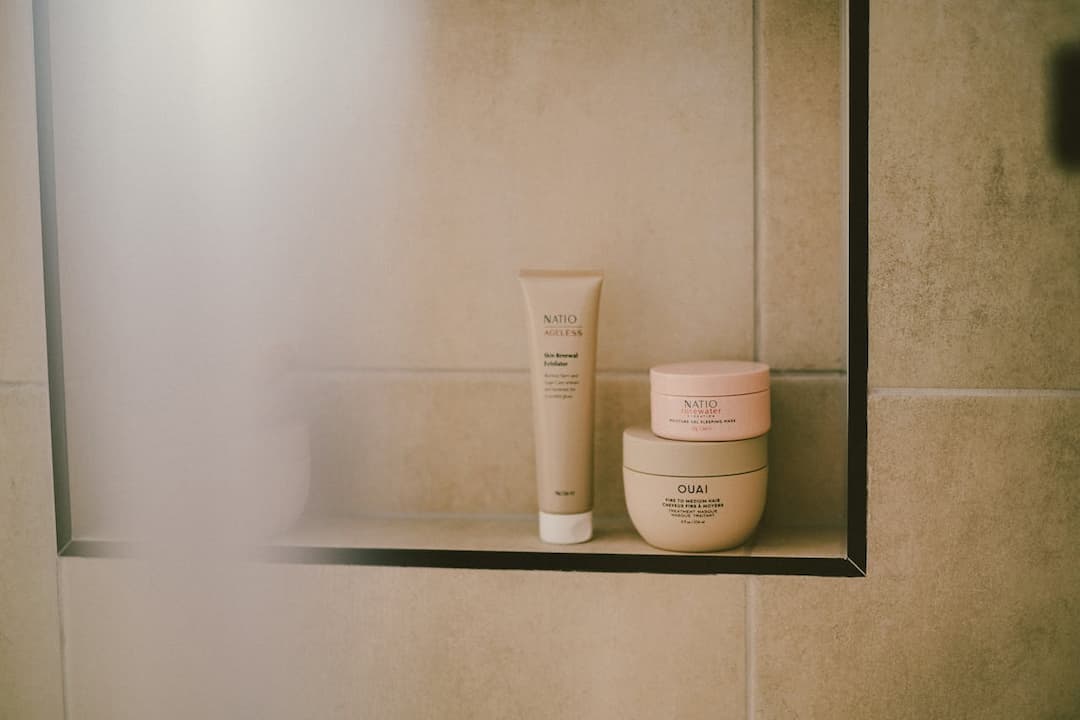
You probably don’t clean your shower storage containers as often as you should. Soap scum and mildew can build up quickly in these spots.
Take some time to scrub them regularly to avoid grime and keep your shower looking fresh. Cleaning these containers helps your toiletries stay cleaner too.
If you want ideas on organizing and cleaning them better, check out some tips on shower storage containers.
Dishwasher interior
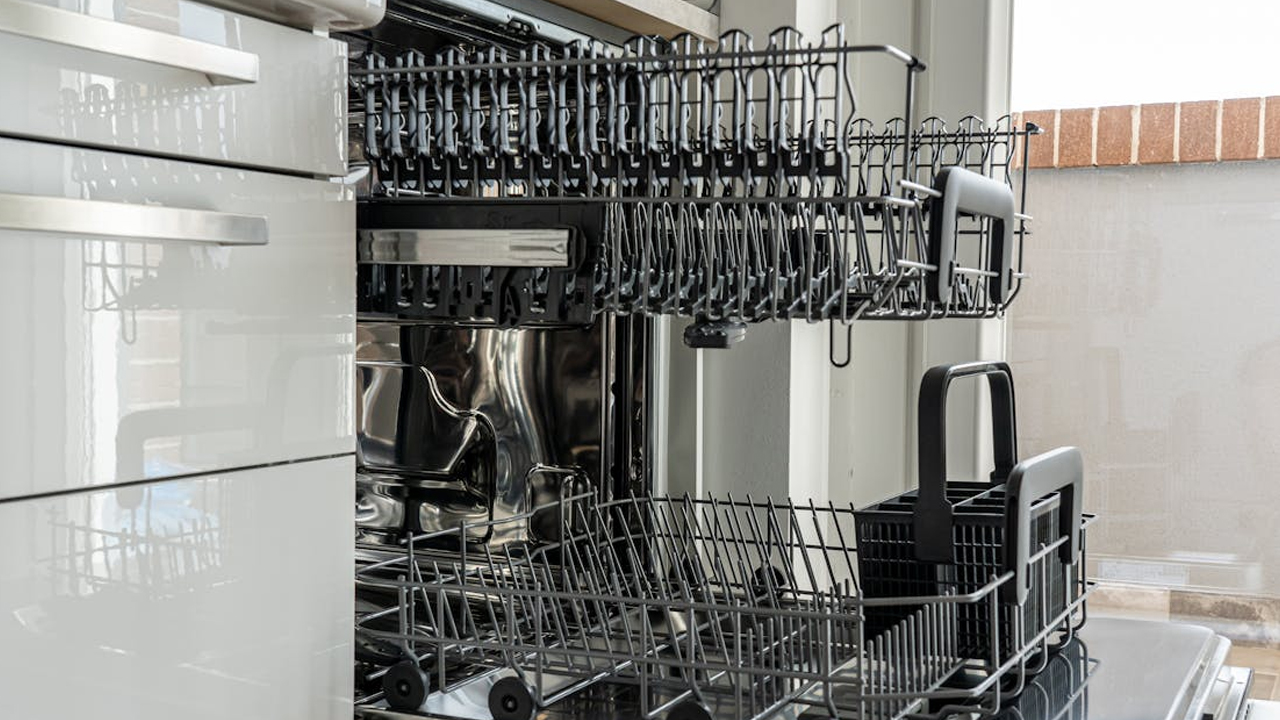
You might forget your dishwasher needs cleaning too. Food particles and soap scum can build up inside, affecting how well it cleans.
Start by removing and cleaning the drain cover. Then run an empty cycle with a dishwasher cleaner to get rid of residue.
Doing this regularly keeps your dishwasher running smoothly and prevents odors from developing. Check out tips to clean your dishwasher interior efficiently here.
Garbage cans
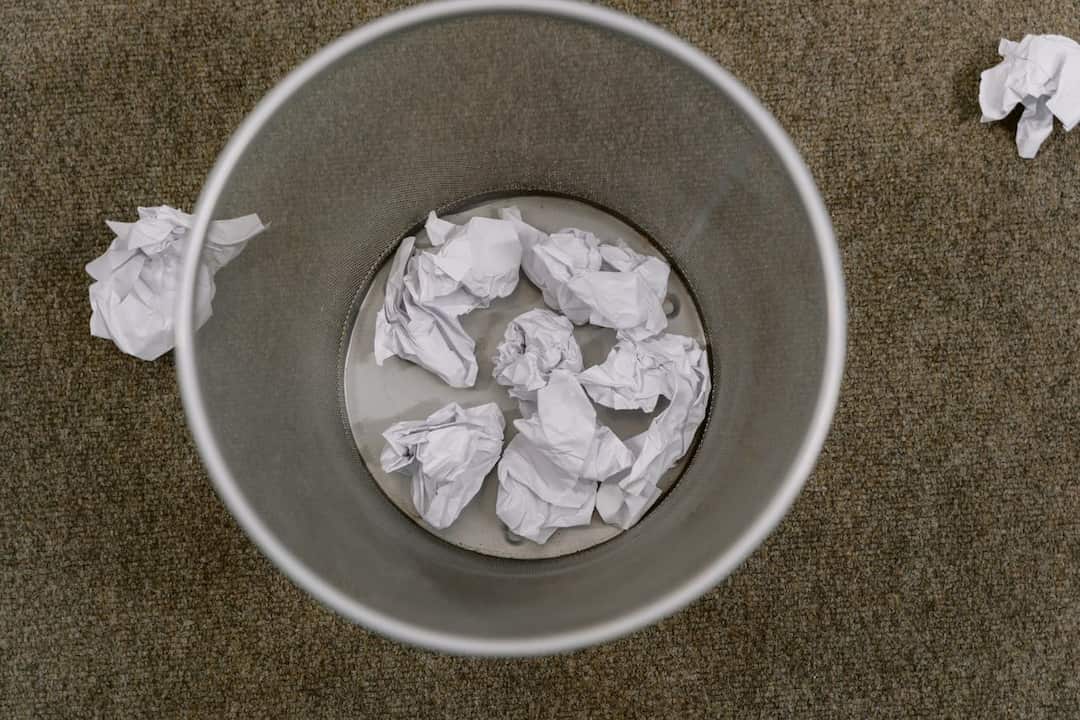
You probably don’t clean your garbage can nearly enough, but it’s a spot that collects a lot of leftover gunk. Rinse it out regularly, especially if food or liquids spill inside.
Make sure your trash can is dry before adding a new bag to prevent odors and mold. Treat it like you would any other smelly item in your home to keep things fresh. For tips, check how to clean a trash can properly.
Remote controls

Your remote control gets touched a lot but rarely gets cleaned. This means it can carry germs and dirt.
To clean it, remove the batteries first. Use a microfiber cloth with some rubbing alcohol to wipe down the buttons and surface.
For tight spots, a cotton swab with disinfecting solution works well. Dry it thoroughly before putting the batteries back in.
More details on cleaning remotes can be found on TODAY.com.
Light switches

You probably don’t think about cleaning your light switches often, but they get touched all day. That makes them a hotspot for germs and grime.
Wipe them down weekly with a damp cloth or use a cotton swab to clean around the edges. Just avoid spraying liquid directly to keep things safe.
Keeping your switches clean helps your whole room feel fresher and less germy. Check out more tips on cleaning light switches here.
Ceiling fans

You probably don’t clean your ceiling fans as often as you should. Dust and grime build up quickly, especially on the blades, but it’s easy to forget about them.
Use a damp cloth or a duster with an extension to reach the blades safely. Regular cleaning helps keep your air fresher and can stop allergens from spreading around your home. For tips, check this guide on cleaning electric ceiling fans.
Curtains

Your curtains trap a lot of dust and allergens, so they need more attention than you might think. Aim to vacuum them regularly with an upholstery attachment to keep dust under control.
You should wash your curtains every 3 to 6 months, especially those in living areas or kitchens. If they look greasy or stained, clean them sooner to keep your space fresh and tidy. For details, see how often to clean curtains.
Under furniture

You probably don’t think about cleaning under your furniture very often. Dust, crumbs, and pet hair love to hide there.
If you skip this spot, allergens can build up and affect air quality.
Try to move furniture occasionally to vacuum or sweep underneath. It only takes a few minutes but makes a noticeable difference in your space.
Door frames
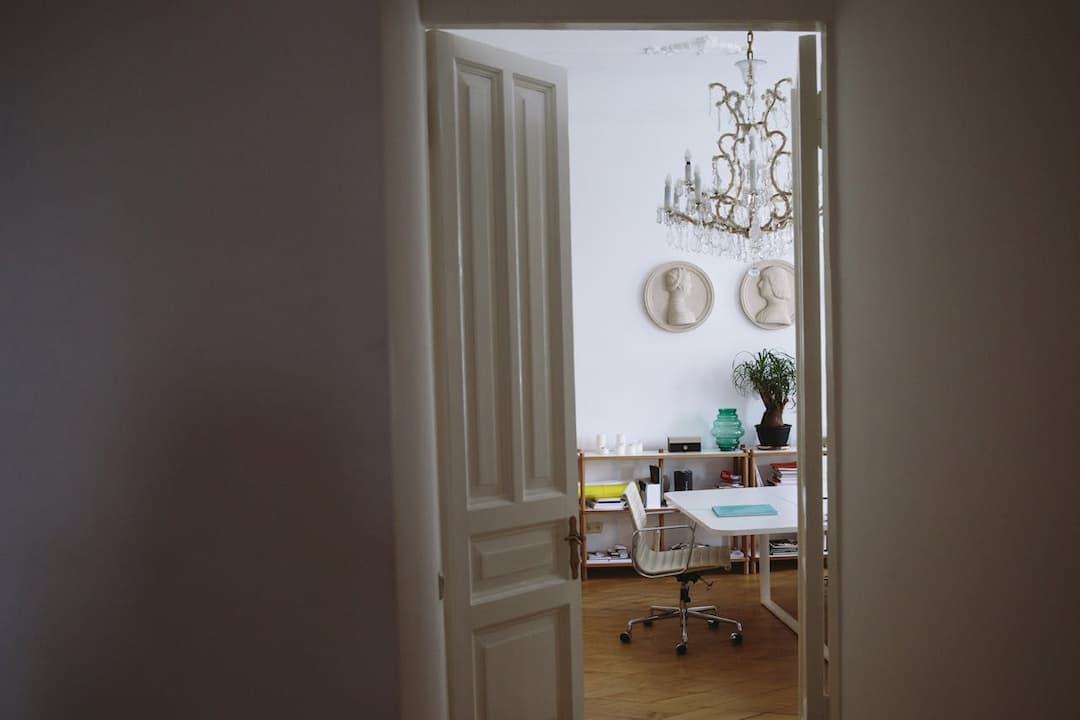
You probably don’t notice how much dust and dirt builds up on your door frames. They tend to get ignored but can look grimy fast.
Wiping them down regularly can freshen up your whole room. Use a damp cloth or a gentle cleaner to remove dust and smudges without damaging the paint or wood.
Keeping your door frames clean is an easy way to boost your space’s overall appearance without much effort. Learn more about dusting door frames here.

Leave a Reply