
Decluttering can feel overwhelming, especially when things don’t seem to get any easier despite your efforts. Many people unknowingly fall into common traps that slow down progress and make organizing more complicated than it needs to be.
Knowing what mistakes to avoid can save you time and frustration while clearing out your space. By recognizing these pitfalls, you can approach decluttering with more confidence and get better results without all the extra hassle.
Starting by sorting instead of trashing
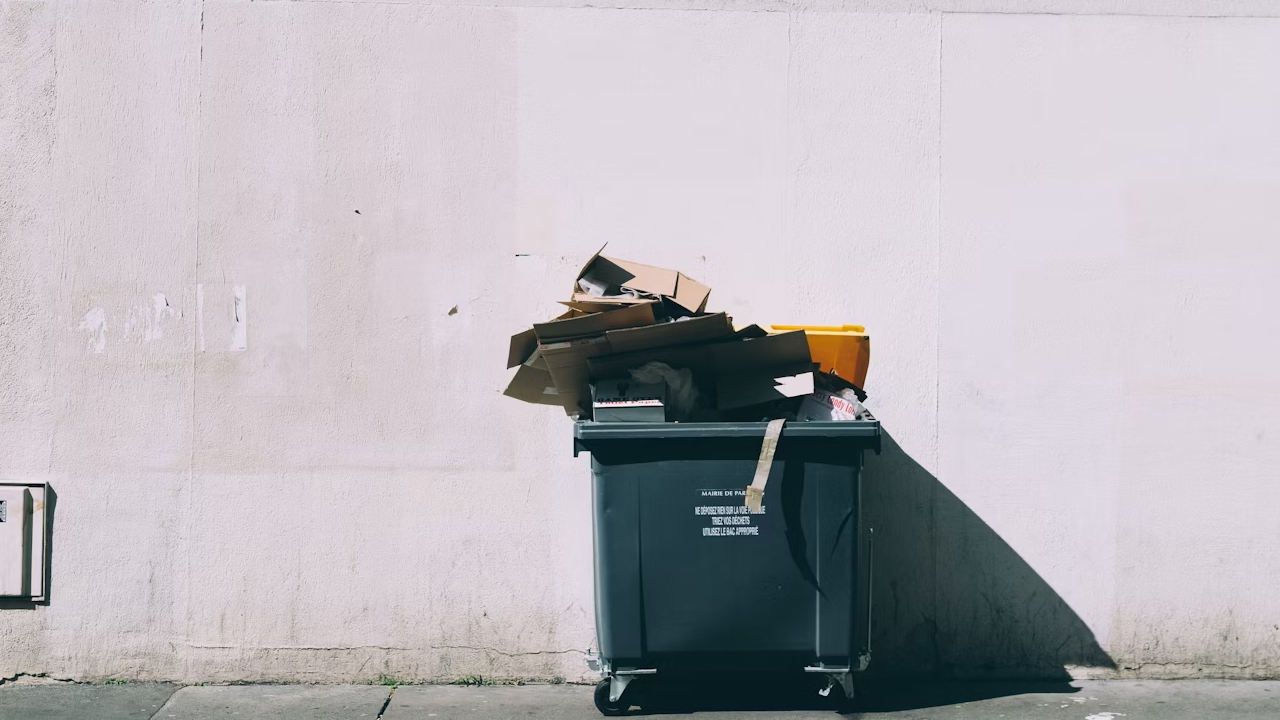
When you start decluttering, avoid sorting everything first. Jumping straight into sorting can feel overwhelming and slow you down.
Instead, begin by tossing obvious trash and things you no longer need. This clears space and makes sorting easier later.
This simple step helps you see progress fast and keeps motivation up while you organize your stuff better. For tips, check out common decluttering mistakes.
Ignoring why clutter builds up
You won’t get far if you don’t understand why your clutter keeps piling up. It’s usually not just laziness or messiness.
Sometimes, clutter grows because of stress, anxiety, or feeling overwhelmed. If you ignore these reasons, organizing feels harder than it needs to be. Recognizing why clutter builds up helps you tackle it smarter, not just faster.
Learn more about the connection between clutter, anxiety, and depression at this clutter-depression-anxiety cycle.
Overthinking every item decision

When you overthink each item, decluttering takes way longer than it should. You might find yourself stuck, unsure if you really need something or not.
Try to make quick decisions instead of getting caught up in every little detail. This helps you keep momentum and avoid feeling overwhelmed.
For more tips on stopping clutter overwhelm, check out these 5 strategies to stop overthinking.
Postponing decluttering decisions

When you put off deciding what to keep or toss, clutter just keeps piling up. It’s easy to feel overwhelmed, which makes it tempting to delay.
But every time you postpone, your space stays messy longer. Tackling decisions quickly helps you move forward and actually see progress. Don’t wait too long—your future self will thank you.
You can avoid this by setting small goals and sticking to them. This keeps momentum going without feeling like a huge chore.
Making too many excuses to keep stuff
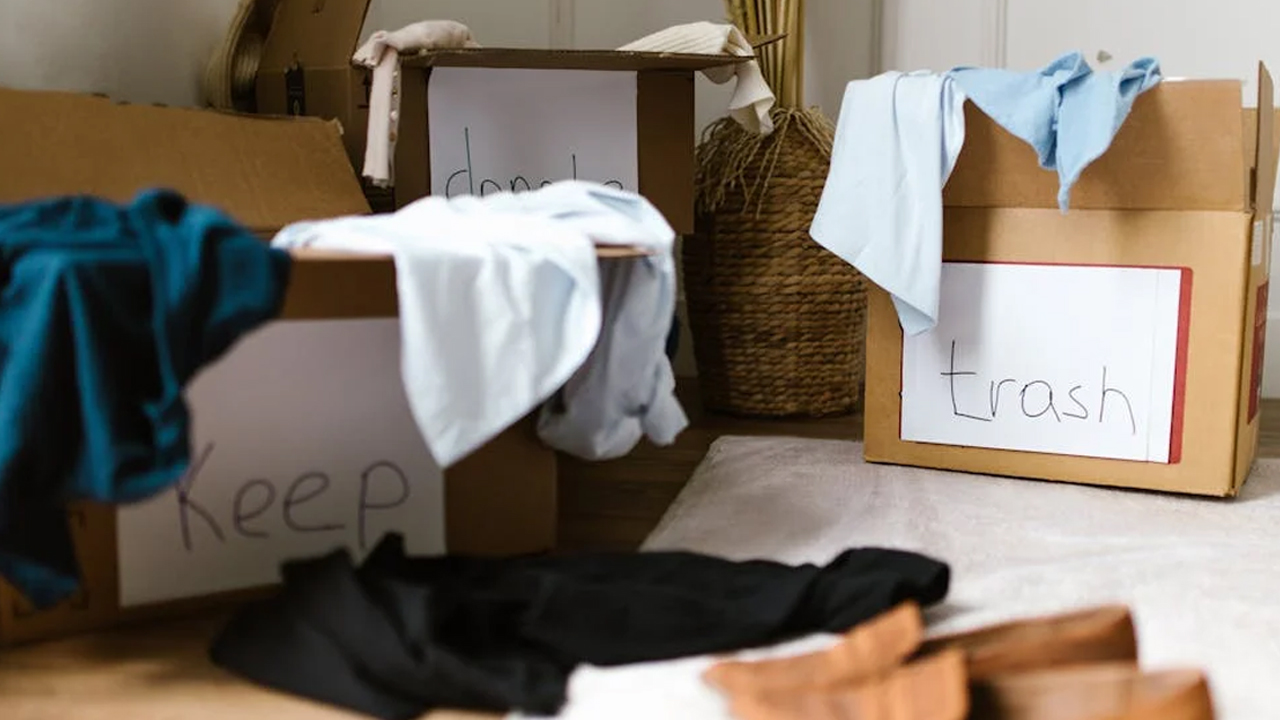
You often hold onto things because you convince yourself they might be useful someday. Maybe you think it’s wasteful to toss them or that you’ll regret getting rid of them later.
These excuses make it harder to declutter because they keep clutter hanging around without real purpose. Recognizing these reasons is the first step to letting go and clearing your space. For more on common excuses, check out 5 Decluttering Excuses For Holding On To Stuff You Don’t Need.
Trying to be perfect right away

You don’t have to get everything perfect on your first try. Trying to sort and organize every single item flawlessly can slow you down and make the process overwhelming.
It’s okay to start simple and improve over time. Progress beats perfection, especially when decluttering feels like a big task. For more tips on avoiding common errors, check out these decluttering mistakes you need to stop making.
Not having a clear plan or goals

If you jump into decluttering without a plan, it’s easy to get overwhelmed or stuck. You need to know what areas you want to tackle and what you want to achieve.
Setting clear goals helps you stay focused and motivated. Whether it’s clearing out a closet or creating more open space, having a target makes the process smoother and less frustrating.
Check out advice on avoiding this mistake from professional organizers here.
Buying organizing containers too soon

You might feel eager to buy bins and boxes right away. But if you haven’t decluttered first, you won’t know what you really need.
Buying containers too early often leads to having stuff you don’t use or don’t fit your space. Take time to clear out before shopping for organizers to save money and avoid clutter.
Waiting until after decluttering helps you pick the right containers for your specific needs. This approach makes organizing simpler and more effective. For more details, see this discussion on buying storage containers.
Tackling sentimental items first

You might think it’s easier to start with less emotional stuff, but tackling sentimental items upfront can clear mental space. Holding on to memories is natural, but too many items can slow you down.
Sorting through these first helps you understand what truly matters. Remember, your memories aren’t tied to every object you keep. For more tips, check out how professionals handle sentimental clutter.
Keeping items ‘just in case’

You might hold on to things because you think you’ll need them someday. This “just in case” mindset can quickly clutter your space.
If you haven’t used an item in months, it’s probably safe to let it go. Keeping too many “just in case” items makes organizing harder and leaves less room for what you actually use. For more on this, check this out on common decluttering mistakes.
Purging impulsively without a system

When you start tossing things without a plan, it can get chaotic fast. You might end up keeping what you don’t need or getting rid of things you’ll regret.
Having a simple system helps you decide what stays, what goes, and what gets donated or recycled. This way, your decluttering actually moves forward instead of just creating a bigger mess.
For tips on effective organizing, check out this guide on things professional organizers never do when decluttering.
Using a keep box instead of quick toss

You might think a keep box helps, but it often just delays decisions. Stuff piles up and makes clutter worse.
Instead of tossing everything into a keep box, try sorting quickly. Decide if an item really belongs or should go.
Keep boxes can turn into “maybe” piles that never get sorted. Moving fast with a toss or keep mindset saves time and space. For tips, check out this decluttering advice on avoid keep boxes.
Getting overwhelmed and not starting
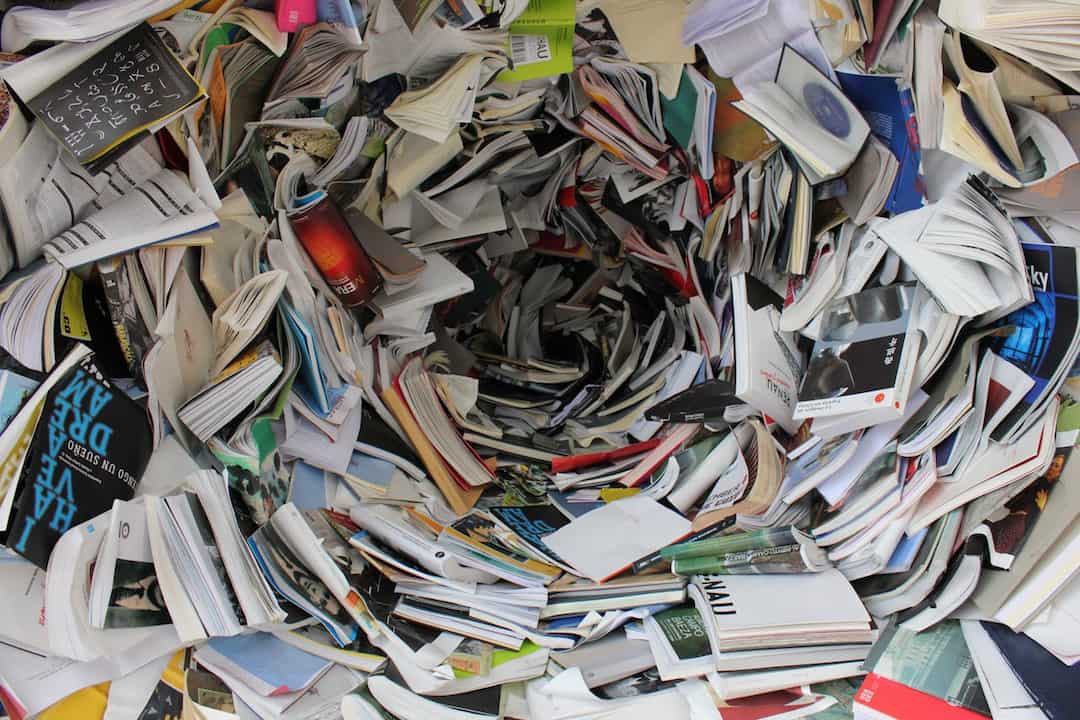
When clutter feels like too much, it’s easy to freeze and do nothing. You might not know where to begin, and that can stop you from taking any steps at all.
Starting small helps. Toss out obvious trash or broken items first. Breaking the job into tiny actions makes it less overwhelming and gets you moving.
If you’re unsure how to start, check out tips on how to start decluttering when you’re overwhelmed.

Leave a Reply