
Your home should be a place where you can relax and feel comfortable, but sometimes the way you decorate can actually add stress without you realizing it. Small choices in color, furniture, or layout can quietly create tension instead of calm.
Understanding which decor habits contribute to stress helps you create a more peaceful environment. By paying attention to these subtle factors, you can make changes that improve the overall vibe of your space and help you unwind more easily.
Cluttered surfaces piling up

When your countertops, shelves, or tables get crowded, it can make your whole space feel chaotic. You might not notice it at first, but clutter pulls your attention in too many directions.
Keeping surfaces clear helps your mind relax and your home feel more organized. Try to put things away regularly to avoid that messy buildup.
Even small piles can add up and create unnecessary stress over time.
Overly bright, harsh lighting

If your home has super bright, harsh lights, it can make the space feel uncomfortable. Too much glare can strain your eyes and even raise your stress levels.
Instead, you want softer lighting options like lamps or filtered light to keep things calm. Using gentle light sources helps create a more relaxing vibe in your space, avoiding that harsh, jarring feeling found in overly bright rooms.
For tips on adjusting your lighting, check out this guide on designing calm spaces with soft lighting.
Walls painted in aggressive reds

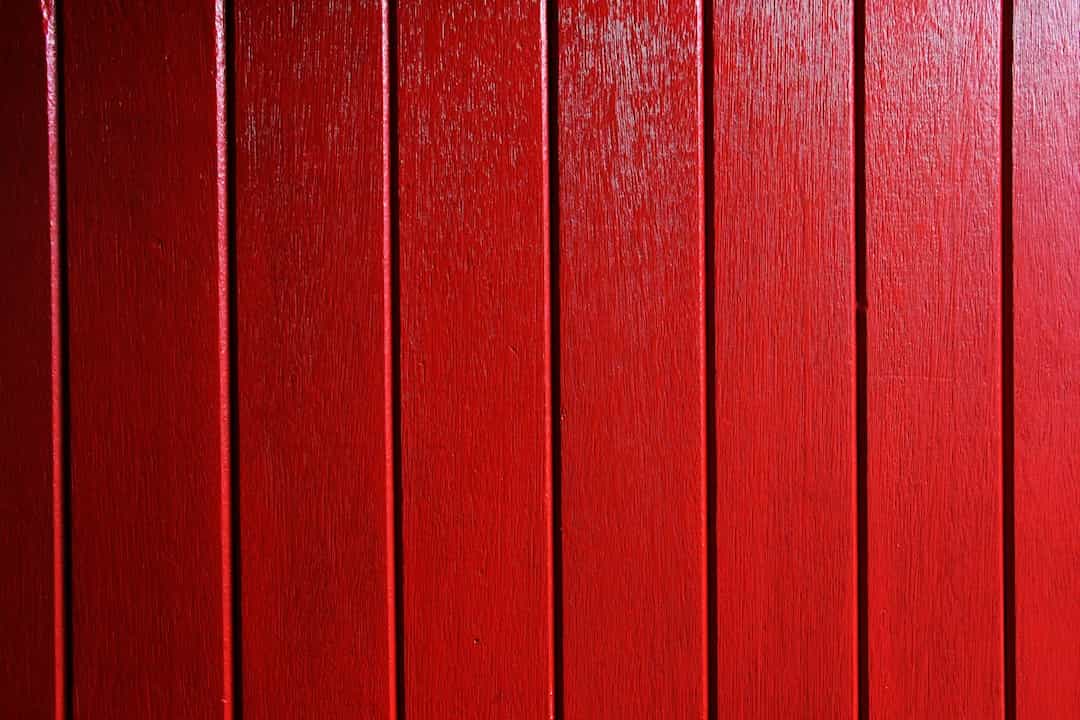
If you paint your walls a bold, aggressive red, it might feel a bit overwhelming. Red is a strong color that can increase energy but also raise stress or tension.
Using red sparingly as an accent is better than filling a whole room. Otherwise, you could find your space feeling less relaxing and more intense. For ideas on handling red, check out rooms with red walls.
Mixing too many bold colors
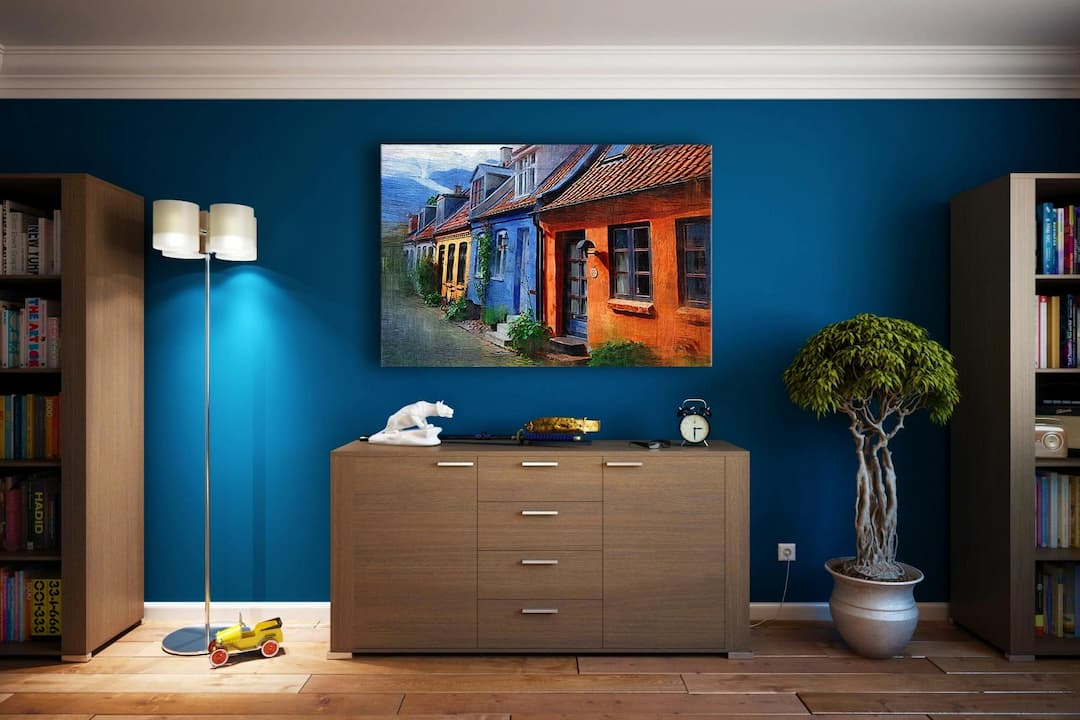
When you use a bunch of bold colors together, it can make your space feel chaotic. Your eyes might get tired fast, and it becomes hard to relax.
Bright reds and neon greens, for example, create a lot of contrast that can be exhausting to look at in everyday life. Keeping colors more balanced helps your room feel calmer and more inviting. You can learn more about how color affects mood here.
Using noisy, echo-prone flooring
If your floors echo when you walk or talk, it can make your home feel less relaxing. Hard surfaces like tile or bare wood reflect sound, which can boost noise levels.
Adding rugs or choosing flooring with underlay can help absorb sound and reduce stress from constant noise. Carpets or cork work well in bedrooms if you want a quieter space. For more tips, check out how flooring affects acoustic comfort.
Cramped furniture arrangements

When your furniture is packed too closely, it can make your space feel tight and stressful. You want to move freely without bumping into things or feeling stuck.
Leave enough room between pieces to create a sense of openness. This simple change helps your home feel more relaxing and inviting.
For tips on arranging furniture with enough space, see 10 common home décor mistakes and how to avoid them.
Heavy, dark drapes blocking light

If your drapes are thick and dark, they might block more than just sunlight. While they can create privacy, they can also make your room feel gloomy or cramped.
Too little natural light can affect your mood and energy without you realizing it. Light plays a big role in how comfortable and relaxed you feel at home. Consider curtains that balance light control with brightness, like NICETOWN 50% Light Blocking Curtain Panels.
Too many plastic or synthetic materials
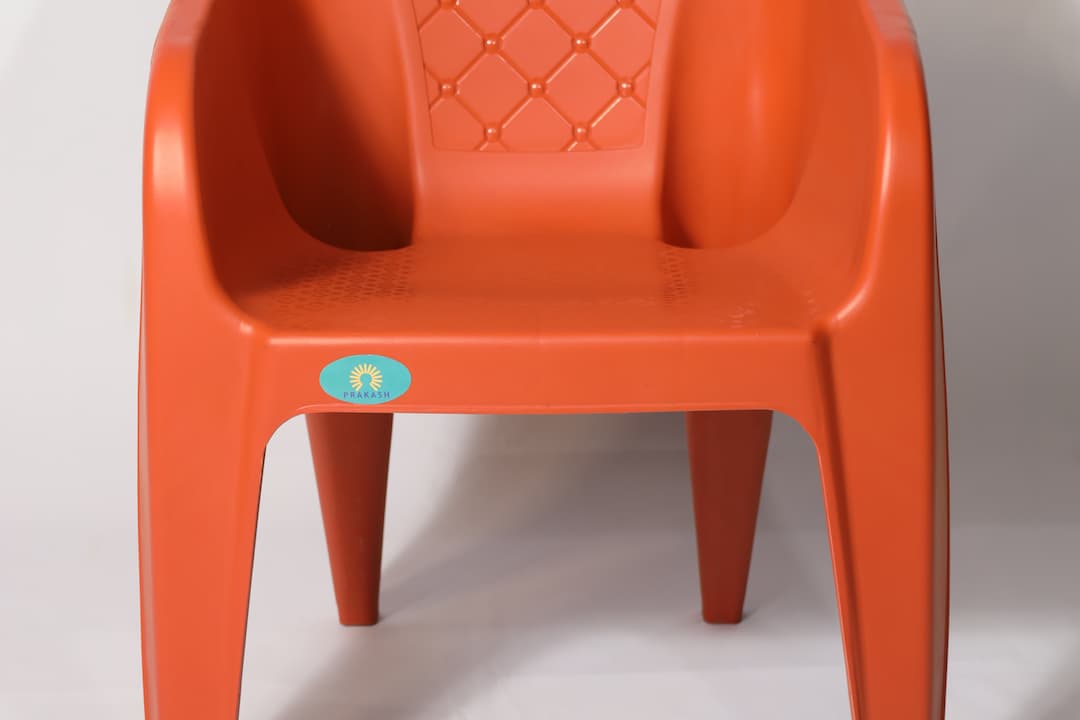
If your sofa or carpet is mostly synthetic, it could be adding to your stress without you realizing it. These materials often don’t breathe well and can trap odors or allergens.
You might feel less relaxed in rooms filled with plastic or synthetic fabrics. Choosing natural textures can help create a calm, more comfortable space. For more on how materials affect stress, check this home decor stress guide.
Lack of natural elements like plants
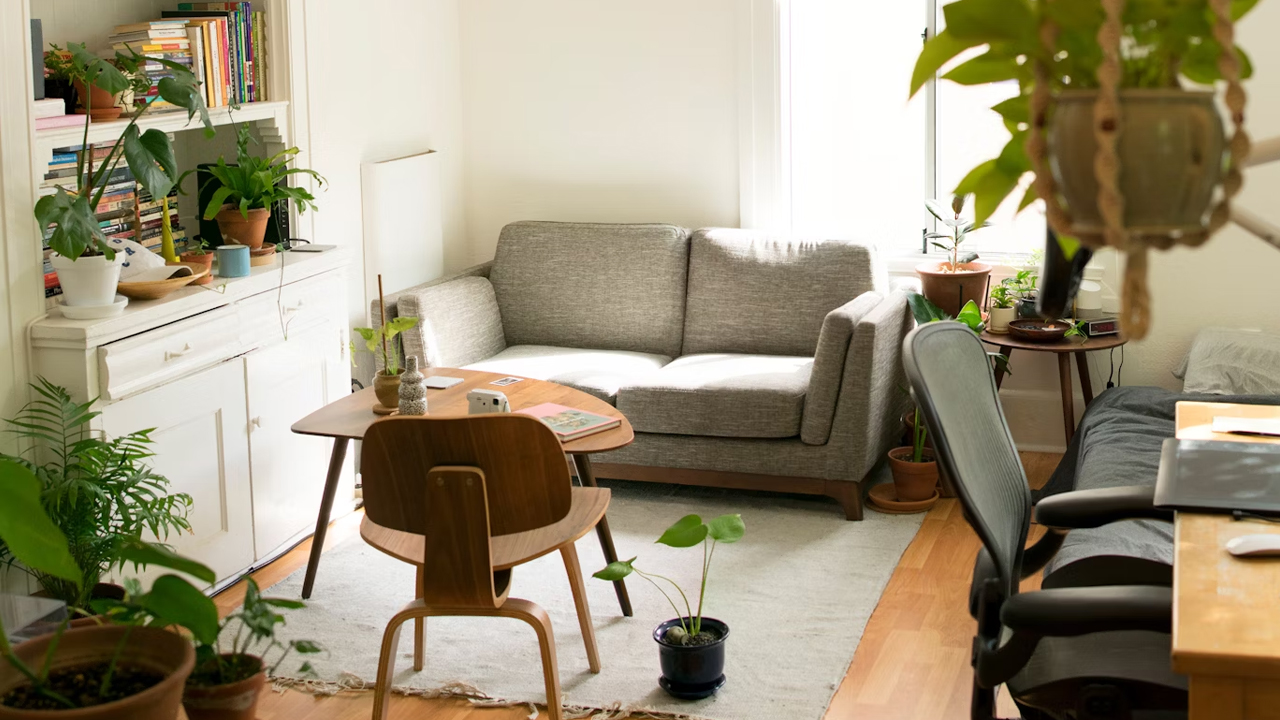
If your home feels a bit tense, it might be missing natural elements like plants. Having greenery around not only freshens up the space but can also help reduce stress.
Plants improve air quality and create a calming vibe without much effort. Adding some low-maintenance plants like succulents or ferns can make your home feel more peaceful and inviting. For more on this, check how plants help reduce stress in your home.
Overstuffed shelves causing chaos

When your shelves are crammed with too many items, it can feel overwhelming to your eyes. You might think more is better, but cluttered shelves often create a sense of disorder.
Try leaving some empty space to let things breathe. This simple step can help your room feel calmer and more organized, reducing that quiet stress you didn’t realize was there.
For tips on managing overfilled spaces, check this article on home decor mistakes.
Excessive use of busy patterns

If your walls or furniture are covered in loud, busy patterns, it can easily overwhelm your space. Your eyes might feel like they have nowhere to rest, which may quietly add stress.
Keeping patterns to a minimum helps create a calmer vibe. Try mixing in solid colors or simple textures to balance things out and make your home feel more relaxing.
For more on decor mistakes that affect mood, check this home decor mistakes.
Neglecting quiet, cozy corners
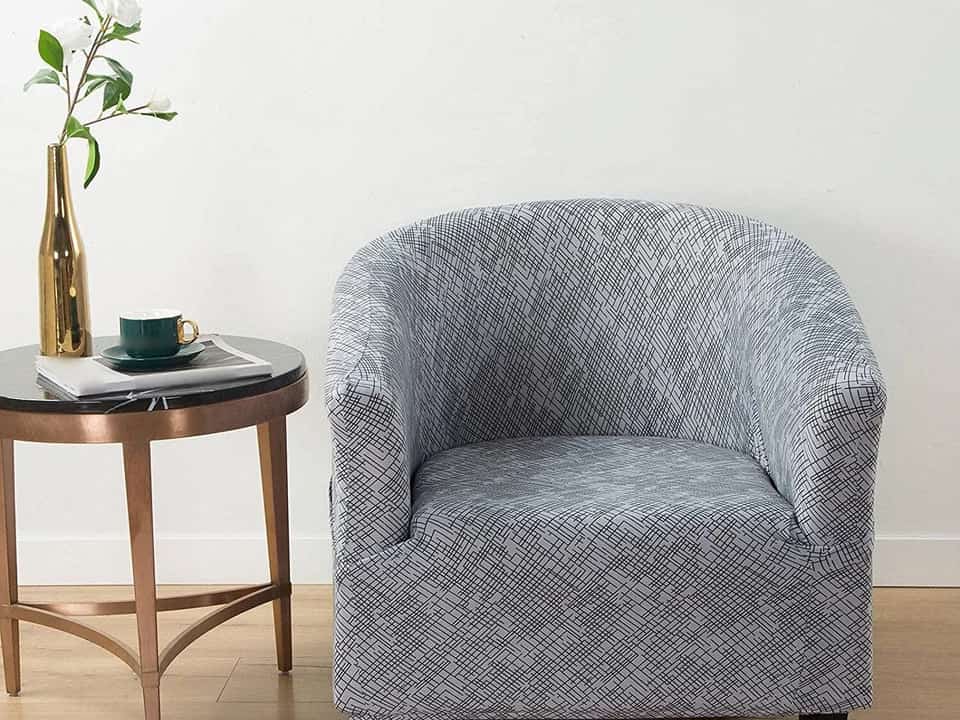
If your home doesn’t have a quiet, cozy corner, you’re missing out on a simple way to reduce stress. Those little spaces give you somewhere to pause and recharge without distractions.
Creating a calm down corner with soft lighting, comfy seating, or relaxing textures can help you feel more grounded. Even a small nook can make a big difference in your daily peace.
Check out ideas on setting up calm corners to quietly improve your home atmosphere.
Bright, flickering artificial lights

You might think flickering lights add cozy vibes, but constant flicker can actually raise stress levels. Your eyes work harder to adjust, which can be tiring over time.
Even artificial candles with flickering LEDs can be distracting if used in excess. Choosing steady, soft lighting helps keep your space calm and easy on your mind. Check out options like flickering flameless candles if you want the look without the stress.

Leave a Reply