

Keeping a home clutter-free can feel like a full-time job, especially when you have a busy family. It’s easy for things to pile up without a consistent approach to managing everyday messes.
You can create a more organized environment by developing simple habits that involve everyone in the family. These small changes in routine help reduce chaos and make maintaining order much easier over time.
Schedule weekly decluttering sessions for specific home areas

Pick one area of your home each week to focus on. This way, decluttering feels manageable, not overwhelming.
Set a specific time and stick with it, like Saturday morning or Sunday afternoon. Consistency helps build the habit.
You can make a plan by listing rooms or spots and estimating how long each will take. This keeps you on track and motivated.
Try checking out a weekend decluttering schedule for ideas on how to organize your sessions.
Use a donation box by the door to regularly clear out unwanted items
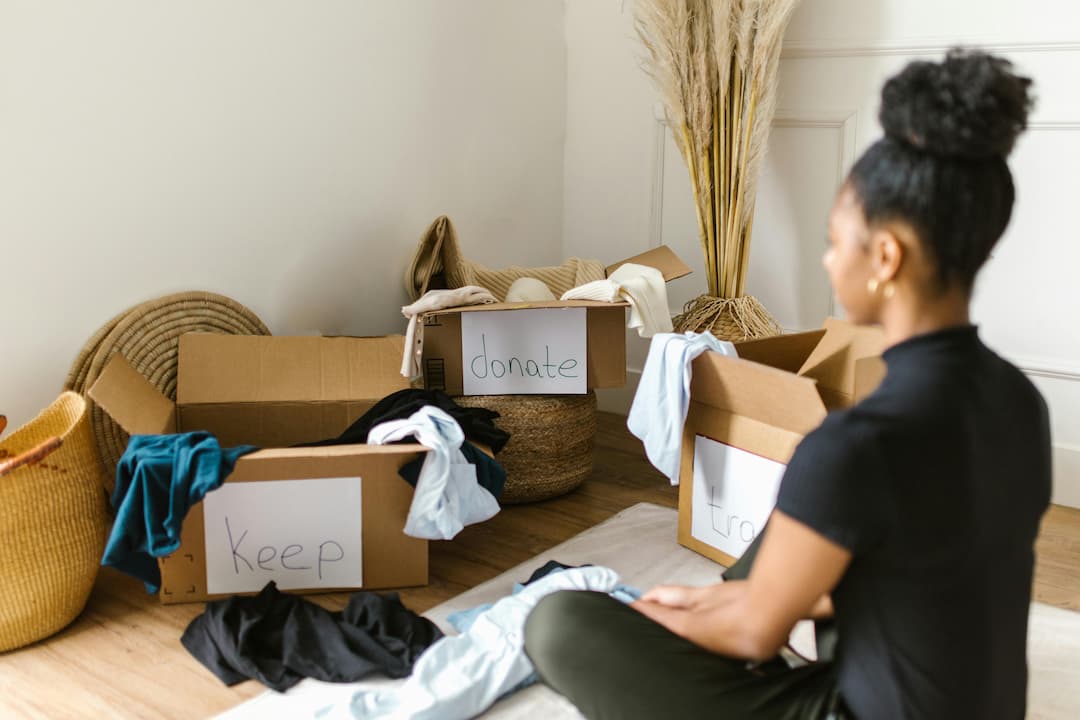
Keep a box near your door for things you no longer need. When you come across clothes or items you don’t use, toss them in.
This makes it easy to donate regularly without letting clutter build up. Having a donation spot ready helps you stay consistent and keeps your space clear.
You can drop off donations anytime without extra sorting or packing. It’s a simple habit that pays off over time.
For more tips on managing donations, see this organizing expert’s advice.
Follow the “one in, one out” rule for every new item brought in
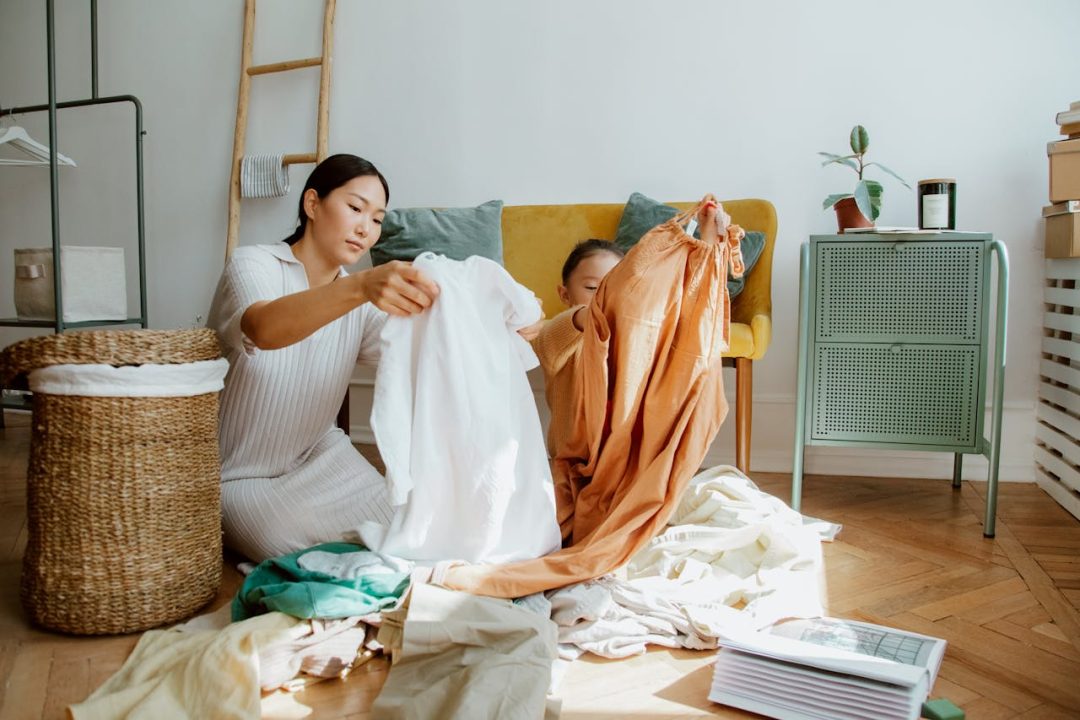
When you bring something new home, make it a habit to let go of something old. This simple rule helps keep your belongings from piling up without much effort.
You don’t have to get rid of something big every time; even small things count. It keeps clutter manageable and makes you think twice before buying more.
Sticking to this rule keeps your space balanced and easier to maintain over time. Learn more about this method at SummaCare’s clutter-busting habits.
Set a 10-minute daily timer to tidy up common spaces

Set a timer for 10 minutes each day and focus on tidying shared areas like the living room or kitchen. This quick routine prevents clutter from piling up and keeps your home feeling manageable.
You’ll find small daily efforts add up, making big cleanups less overwhelming. It’s an easy habit that fits into any busy family schedule. For more ideas, check out this 10-minute tidying strategy.
Assign a specific ‘home’ for every item to avoid pileups
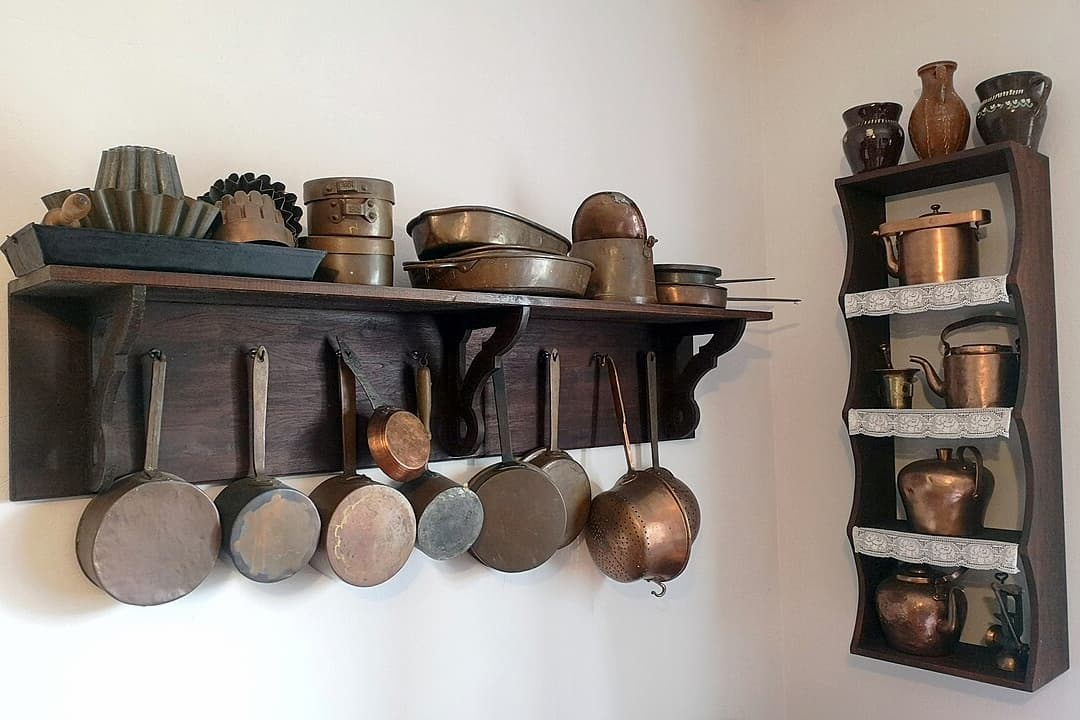
You’ll find it easier to keep clutter in check when every item has a designated spot. This way, you always know where things belong and can put them away quickly.
When things don’t have a clear place, they tend to pile up, making your space look messy. Giving each item a “home” helps you stay organized daily and reduces the stress of searching later. For more tips on this, check out practical advice from essential housekeeping tasks.
Create family rules on what not to bring, like no stuffed animals

You can set simple rules about what items are allowed in the house. For example, no new stuffed animals unless an old one is donated or thrown out.
This helps keep toys and clutter from piling up. When everyone agrees on limits, it’s easier to stay organized and avoid overwhelm.
Make sure the rules are clear and consistent so your family knows what to expect.
For more ideas on setting up these boundaries, see tips on how to keep toys organized in small homes.
Encourage kids to sort toys regularly and donate extras

You can make it a habit for your kids to sort their toys every few weeks. This helps keep their play area tidy and makes it easier to spot toys they no longer use.
Encourage them to set aside items to donate. Donating extra toys teaches them about sharing and keeps clutter from building up. You might find useful tips on how to do this at Kids and Clutter.
Keep desks and work areas clear at the end of each day
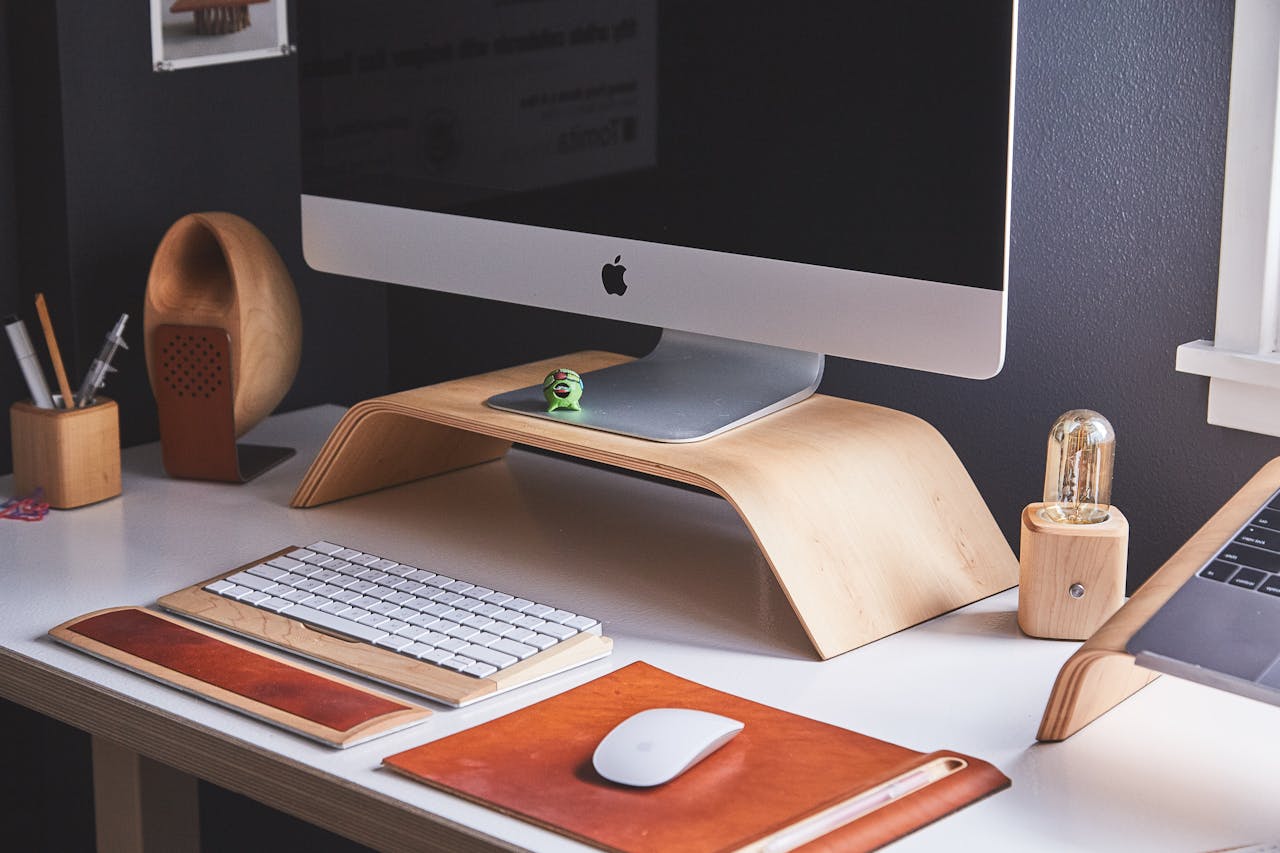
You’ll find it easier to start fresh when your desk is tidy at day’s end. Spend just a few minutes clearing off papers, pens, and other items.
This simple habit stops clutter from piling up and helps keep your workspace calm. It also makes it quicker to find what you need the next morning.
Try to make this a part of your daily routine to keep your area organized and stress-free. For more ideas on keeping your desk clutter-free, check out this guide.
Make a visible checklist or calendar for cleaning chores

You’ll find it easier to keep everyone on the same page with a visible checklist or calendar. Put it somewhere everyone can see, like the kitchen or living room.
This way, your family knows what needs to be done and when. It helps avoid confusion and keeps chores from piling up.
Having a set schedule makes the cleaning routine feel more manageable and less overwhelming for everyone involved. You can find examples of effective chore calendars on sites like Reddit cleaning tips.
Use storage bins labeled for each family member’s belongings

Give everyone their own labeled storage bin to keep their stuff organized. This makes it easy to find things and put them away quickly.
You’ll cut down on confusion and lost items when each person has a specific place for their belongings. It also encourages responsibility for keeping belongings tidy.
Try placing these bins in common areas where clutter tends to build up. This simple habit helps keep your home neat without much effort. For more tips, see 25 Smart Storage Ideas.
Limit paper clutter by scanning and recycling documents
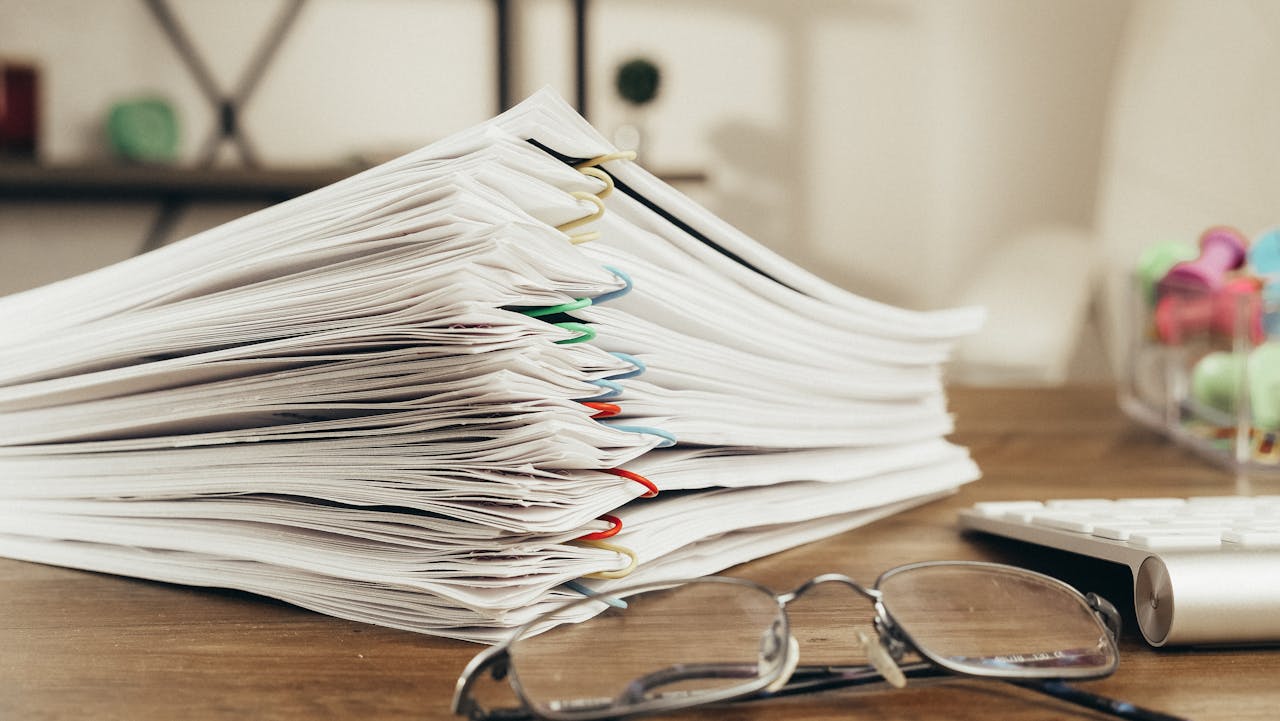
You can cut down on paper clutter by scanning important documents and storing them digitally. This makes it easy to access files without keeping piles of paper around.
After scanning, recycle or shred the physical copies you no longer need. Using a simple system with bins for recycling and shredding helps keep things organized and clutter-free. For more tips on managing paper clutter, check out this video on paper piles.
Have family meetings to discuss clutter and organize goals

You can set aside time to talk about clutter as a family. This helps everyone understand what needs to be done and why it matters.
Use the meetings to set small, realistic goals together. When everyone is involved, it’s easier to stay on track.
Talking about clutter regularly keeps your home organized and helps prevent messes from building up. Consider making it a monthly habit.
Implement a ‘keep and discard’ rule for new purchases
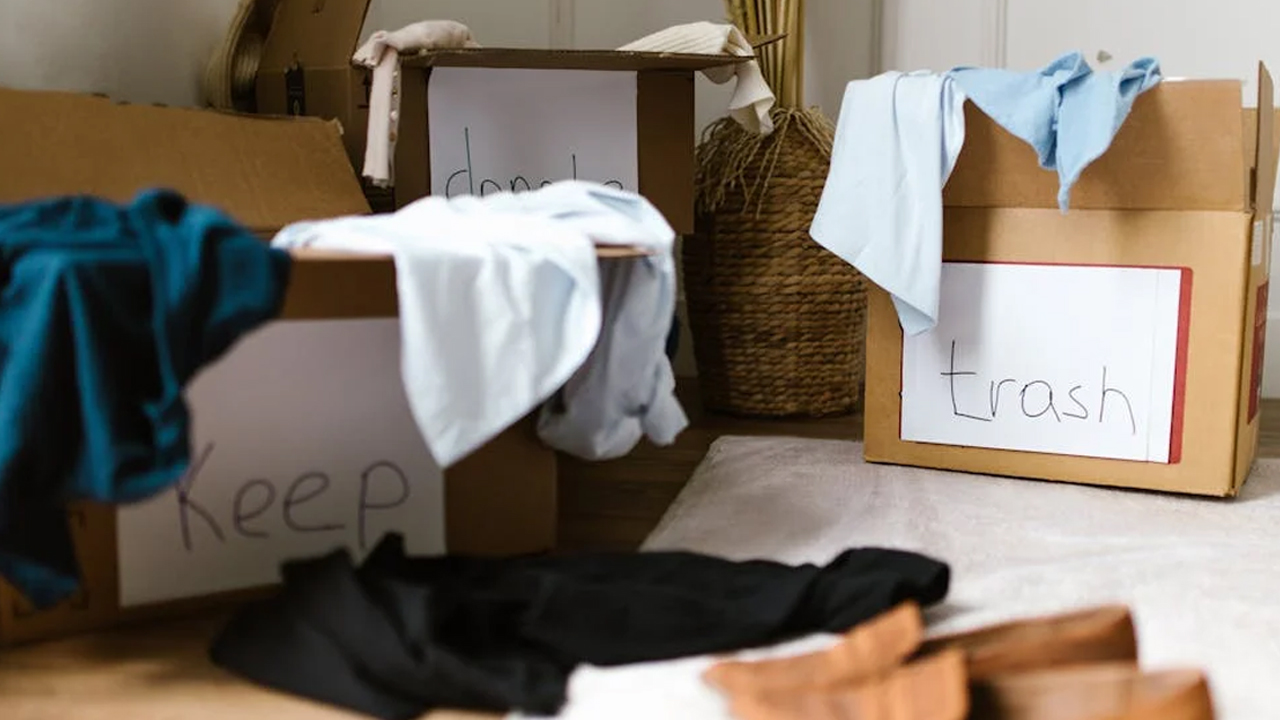
When you bring something new into your home, decide if you’ll keep it by removing something else. This keeps your space balanced and prevents clutter from piling up.
Before buying, think about whether the item really adds value. This simple rule helps you stay mindful and in control of what you own.
For more tips on discarding, check out ideas from Marie Kondo.

Leave a Reply